





Most hair damage that gets blamed on genetics, weather or bad luck actually traces back to technique — the specific mechanical way oil is applied, hair is detangled, or the scalp is massaged, done incorrectly often enough to compound into real breakage and hair fall over months. The right products applied with the wrong technique produce meaningfully worse results than more basic products applied correctly, which is why this guide focuses entirely on the how rather than the what.
|
“The products matter less than most people assume. The technique — how you oil, how you detangle, how you massage — is what determines whether hair care helps or quietly causes the damage it is meant to prevent.” |
Oiling Technique — Why Most People Do It Wrong
Pre-wash oiling is one of the most consistently recommended Ayurvedic hair practices, and also one of the most inconsistently executed. The technique has several specific components, each of which contributes independently to whether the oil actually reaches and benefits the follicle or simply sits on the hair surface until it is washed away.
Section the hair before applying oil, rather than pouring it over the top and hoping for even distribution. Working in sections — parting the hair into four to six segments — ensures the oil reaches the scalp directly across the entire head rather than concentrating in whichever section happens to receive the most product first.
Apply to the scalp first, then work outward to the lengths. The scalp is where the follicle-level benefits of oiling actually occur; the lengths benefit from oil primarily through reduced friction and protein loss during washing, which requires far less product than the scalp application does.
Warm the oil slightly before application — not hot, simply room temperature or a few degrees above. Warmed oil penetrates more readily and feels more comfortable during the massage that should follow, without the risk of scalp irritation that overheated oil can cause.
The Massage Technique That Actually Matters
The scalp massage that should accompany oil application is not a relaxing afterthought — it is a specific technique that meaningfully amplifies the benefit of the oil itself by stimulating circulation to the follicle. Done correctly, it takes a full five minutes and uses the pads of the fingers, never the nails, in small circular motions moving systematically across the entire scalp rather than concentrating on one area.
Pressure should be firm enough to feel the movement against the scalp but never painful or aggressive — excessive pressure or scratching motions can create micro-abrasions that introduce irritation rather than benefit. Five minutes, applied consistently before every wash, is what separates a massage that measurably improves circulation from one that is too brief to produce any real physiological effect.
For anyone specifically addressing hair fall, this massage technique paired with SADHEV Anti-Hair Fall Oil is where the circulation-stimulating and follicle-nourishing benefits of the oil and the massage compound each other rather than working independently.
How Long to Leave Oil Before Washing
Twenty minutes is the practical minimum for the oil to meaningfully penetrate and provide protective benefit during the subsequent wash. Overnight application, left on while sleeping and washed out the following morning, provides the longest contact time and is particularly relevant for more severe hair fall or very dry hair that benefits from extended nourishment. There is no benefit to leaving oil on for multiple days without washing — beyond a certain point, the oil is simply attracting dust and environmental accumulation rather than providing additional benefit.
Detangling — The Step Most Likely to Cause Damage
Wet hair is significantly more fragile than dry hair because the hydrogen bonds that give hair its structural strength are temporarily disrupted by water, making the shaft more vulnerable to breakage during exactly the moment most people choose to detangle it most aggressively. The technique used during this specific window determines a disproportionate amount of the breakage that accumulates over months.
Start from the ends, never the roots. Working a comb or fingers through hair from the scalp downward pushes every tangle below the starting point into a single, larger knot at the ends, requiring more force to work through and causing more breakage in the process. Starting at the ends and gradually working upward, clearing small sections before moving higher, keeps each individual tangle small and manageable.
Use a wide-tooth comb, not a fine-tooth comb or a brush, for wet hair specifically. The wider spacing reduces the tension placed on any single strand as the comb moves through, compared to the more concentrated force a fine-tooth comb or brush applies to wet, already-vulnerable hair.
Apply conditioner before detangling, never after. The slip that conditioner provides is what allows the comb to move through hair with meaningfully less friction and force, which is why detangling should happen during the conditioning step itself, while the product is still in the hair, rather than after rinsing.
Drying Technique — The Step Everyone Skips Thinking About
Rubbing hair vigorously with a towel is one of the most common causes of frizz and cuticle damage, since the friction lifts and roughens the cuticle in exactly the way that produces the frizz most people are simultaneously trying to prevent with other products. Pat and gently squeeze excess water instead, working with the hair rather than against it.
Apply any leave-in product to hair that is damp rather than dripping wet or fully dry, since this is the window in which a leave-in serum distributes most evenly and seals the cuticle most effectively before it has a chance to lift as the hair finishes drying. For the complete technique on how and when to apply a leave-in serum correctly, see our leave-in hair serum guide.
The Complete Correct Sequence
▸ Section hair and apply oil to the scalp first, then the lengths.
▸ Massage for a full five minutes using fingertip pressure in circular motions.
▸ Leave for a minimum of twenty minutes, or overnight for more concentrated benefit.
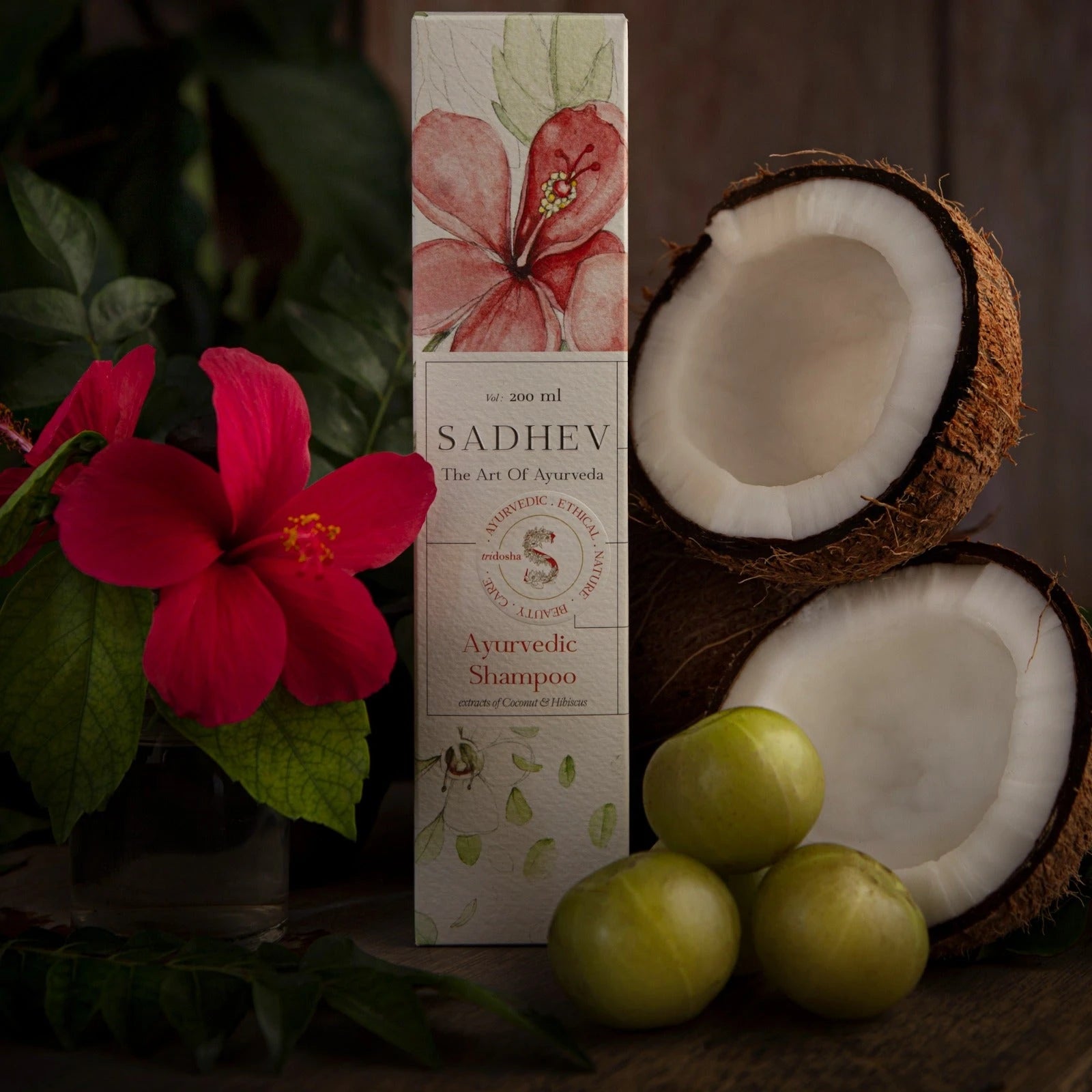
▸ Shampoo thoroughly with a sulphate-free formula that removes the oil without stripping the scalp barrier it just nourished.
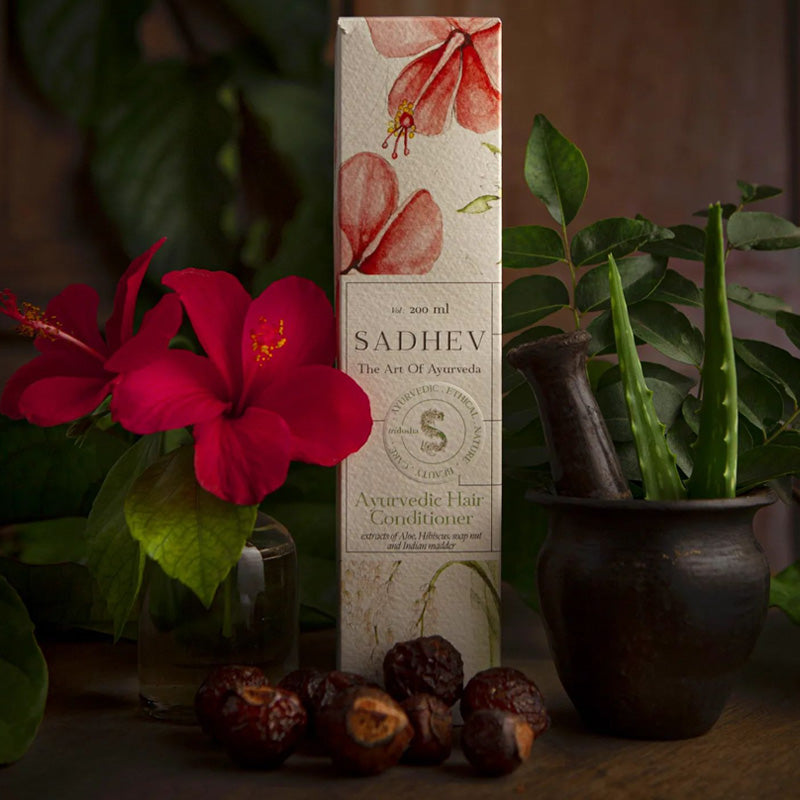
▸ Apply conditioner and detangle during this step, starting from the ends and working upward with a wide-tooth comb.
▸ Rinse, then pat — never rub — to remove excess water.
▸ Apply any leave-in product to damp, not wet or dry, hair.
For the complete guide to pre-wash oiling and which specific SADHEV oil suits your particular concern, whether hair fall, dandruff or general maintenance: see our hair oil buyer’s guide.
For the complete Ayurvedic hair care routine that builds on these techniques with the full weekly protocol, including shampoo and conditioner selection: see our Ayurvedic hair care routine guide.
For the complete guide to reetha, the sulphate-free cleansing base that makes the shampooing step in this sequence effective without undoing the benefit of correct oiling technique: see our reetha guide.
SADHEV. Luxury Ayurvedic Care. Ayurveda in our bloodline.
Explore the complete SADHEV hair care range built for this technique.
— Written by SADHEV Ayurvedic Experts, rooted in a 200-year vaidyar lineage.


