



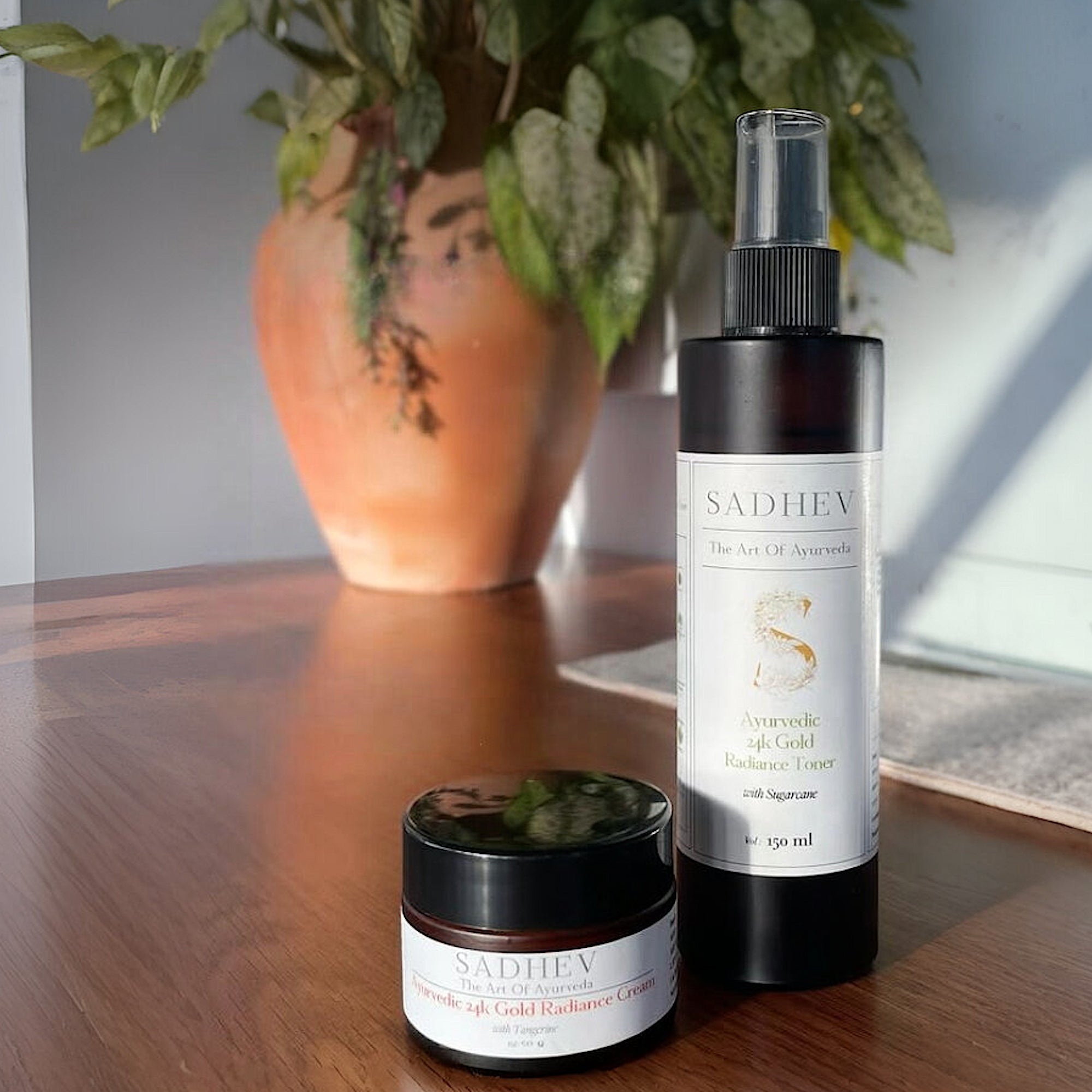
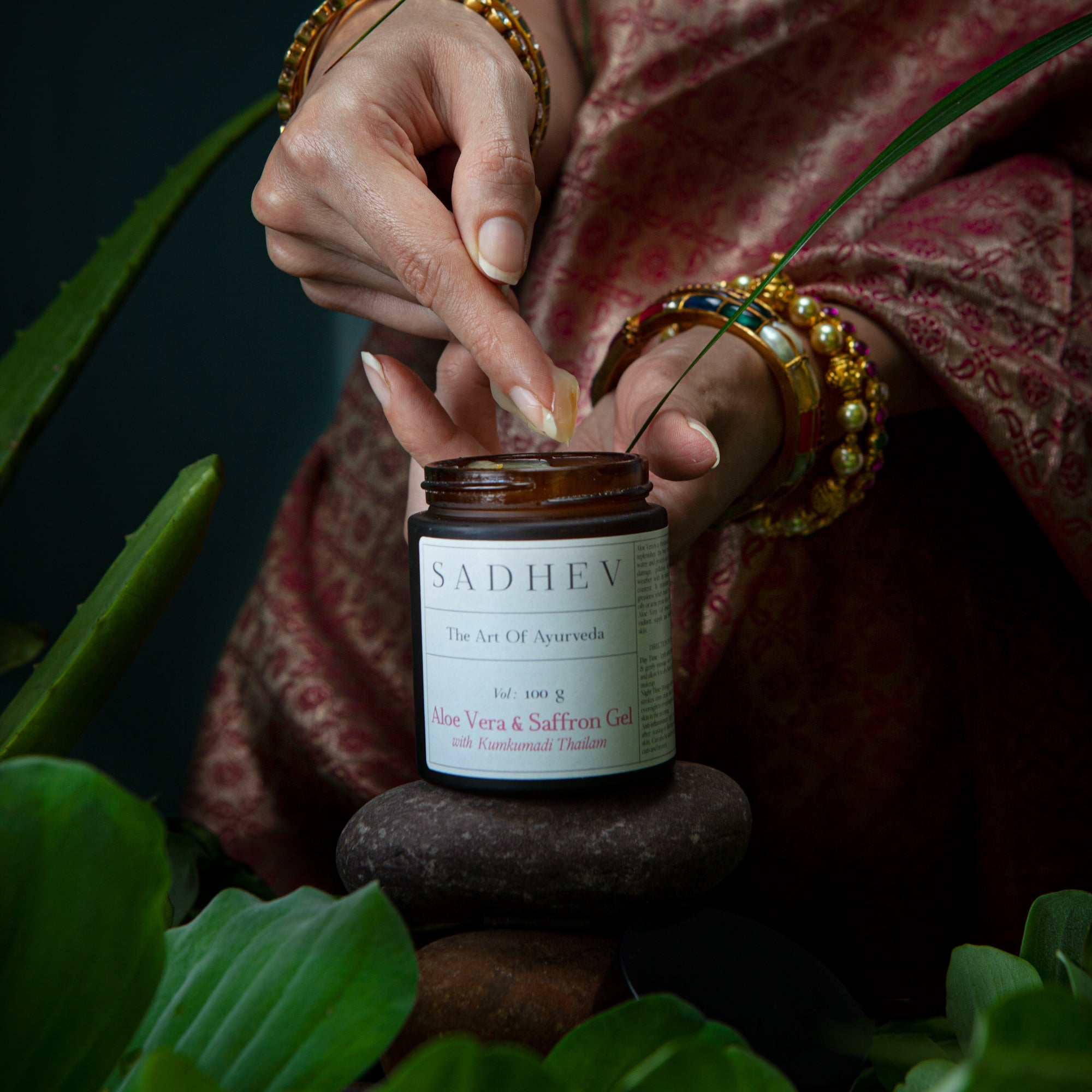
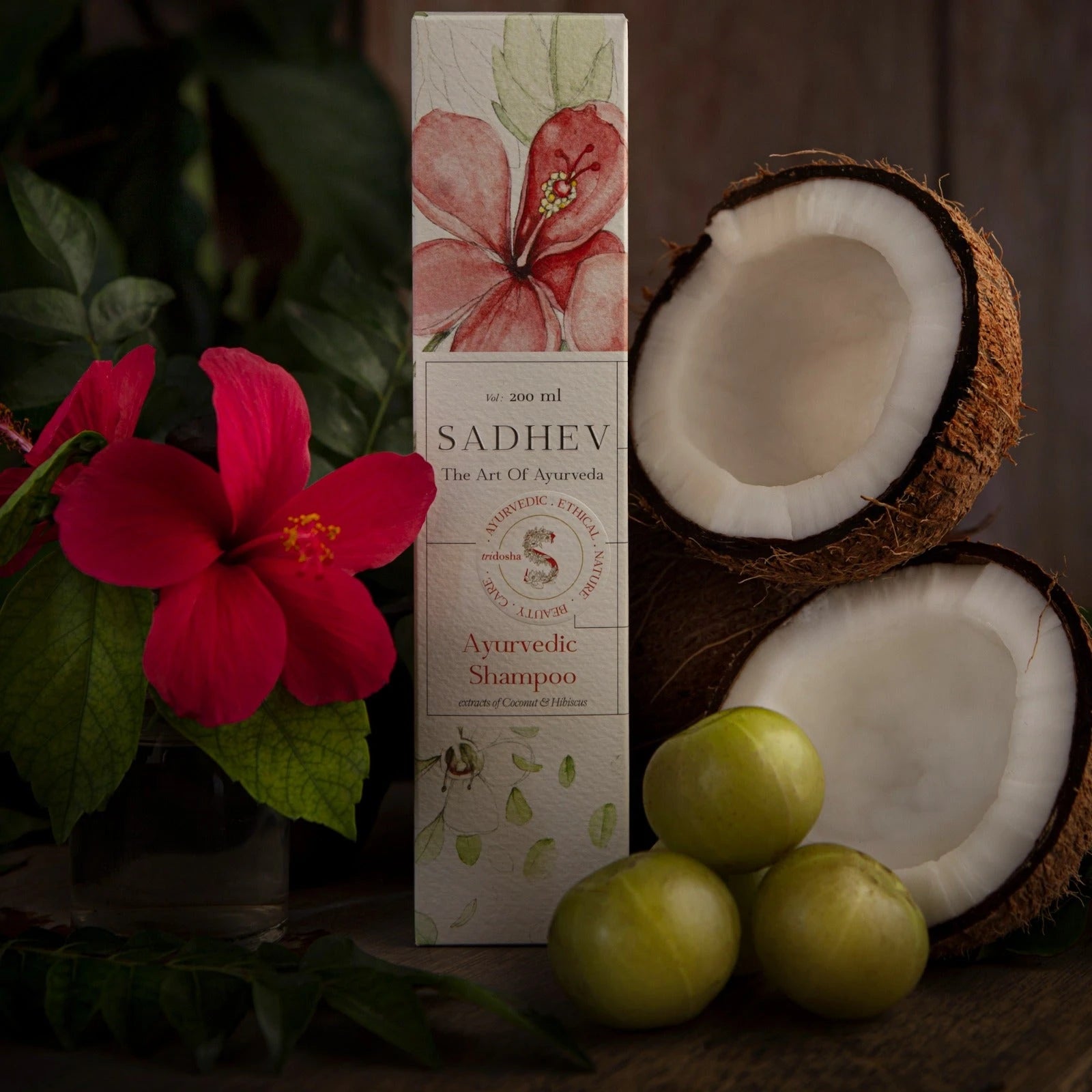

CTM — Cleanse, Tone, Moisturise — is the single most referenced acronym in skincare content, and also one of the least explained. Most people encounter it as an assumed starting point rather than something anyone actually walks them through, which means the acronym gets followed loosely — wash face, splash some toner, apply cream — without the technique detail that separates a routine that works from one that simply goes through the motions.
The three-letter sequence is correct as far as it goes, but it is also incomplete for what most routines actually need, and the technique within each step matters as much as the step itself. This guide covers what CTM actually means, why the sequence is structured this way, the specific technique details that most content skips, and what a genuinely complete routine looks like beyond the three original letters.
|
“CTM tells you the order. It does not tell you the technique. And the technique — how long you wait, how much pressure you use, whether skin is damp or dry — is what actually determines whether the routine works.” |
Why the Order Matters — Not Just the Steps
Each step in CTM exists to prepare the skin for the one that follows it, which is why the sequence itself is not arbitrary. Cleansing removes the surface layer of sebum, pollution and residue that would otherwise block everything applied afterward from actually reaching the skin. Toning restores the skin’s natural pH, which cleansing temporarily disrupts, and creates the correctly balanced surface that allows the next step to absorb properly. Moisturising then seals in the hydration from the previous steps and provides the barrier support that finishes the sequence.
Doing these steps out of order, or skipping one, does not simply reduce the routine’s effectiveness proportionally — it can undermine the steps around it. Applying moisturiser before toning means the toner cannot reach the skin at all. Skipping toning after a cleanser that has pushed the skin toward an alkaline pH means the moisturiser is being applied to skin in a temporarily compromised state.
Cleanse — The Step Everyone Underestimates
Cleansing is not simply about removing visible dirt. Its more important job is removing the accumulated sebum, pollution and product residue that, left on the skin, would sit as a physical barrier between everything applied afterward and the living skin beneath. A cleanser that is too harsh strips beyond this surface layer and damages the barrier itself; a cleanser that is too mild leaves enough residue behind to reduce the effectiveness of every subsequent step.
Technique matters here specifically: thirty to sixty seconds of gentle massage with lukewarm water is sufficient. Longer does not clean more thoroughly, it simply extends unnecessary contact time between the surfactant and the skin. Hot water, regardless of how gentle the cleanser is, accelerates barrier lipid loss independently of the cleansing formula itself.
Tone — The Step Most Often Done Incorrectly
Toning’s primary function is pH restoration, and the technique detail most consistently missed is timing: toner works most effectively applied to skin that is still slightly damp from cleansing, not fully dried. Slightly damp skin absorbs a water-based toner considerably more efficiently than dry skin, where the toner tends to sit on the surface rather than penetrate.
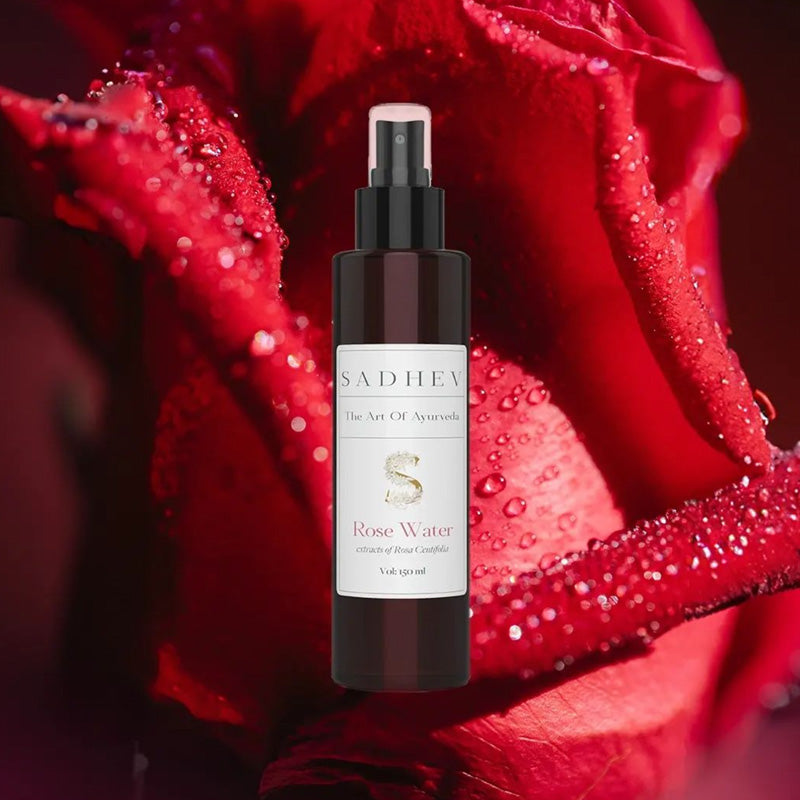
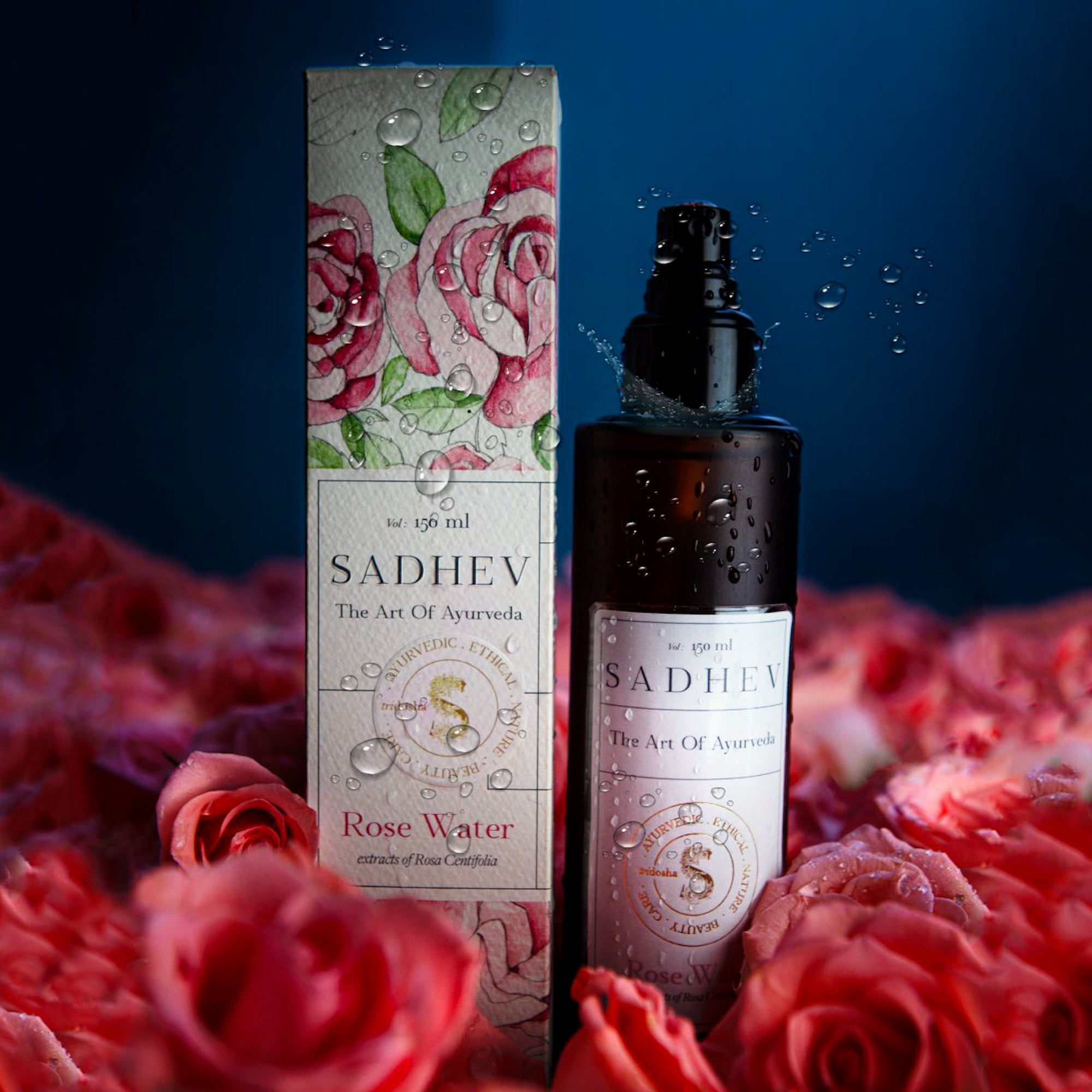
Rose water is the correct toner for most skin types precisely because its natural pH of approximately 5.5 closely matches the skin’s own slightly acidic baseline, restoring exactly the balance that cleansing disrupts. Applied by patting gently rather than rubbing or wiping — which can create unnecessary friction on skin that has just been cleansed — it should be allowed thirty seconds to absorb before the next step follows. For the full steam-distillation science behind why this toner is formulated the way it is, see our Rose Water guide.
Moisturise — Sealing, Not Just Hydrating
Moisturiser’s job is often misunderstood as adding hydration, when its more precise function is sealing in the hydration that the previous steps have already provided and preventing it from evaporating. This is why moisturiser applied to completely dry skin is less effective than the same product applied to skin that still carries some residual moisture from toning — there is more to seal in.
Technique here involves gentle, upward and outward strokes rather than downward dragging motions, following the natural direction that supports rather than works against skin’s structure over time. A generous but not excessive layer, allowed to absorb fully before any subsequent product or makeup, completes the core sequence correctly.
Why CTM Alone Is Not Enough
CTM is the foundational three-step sequence, but a genuinely complete routine needs at minimum two additions that the acronym does not capture: a treatment step and sun protection.
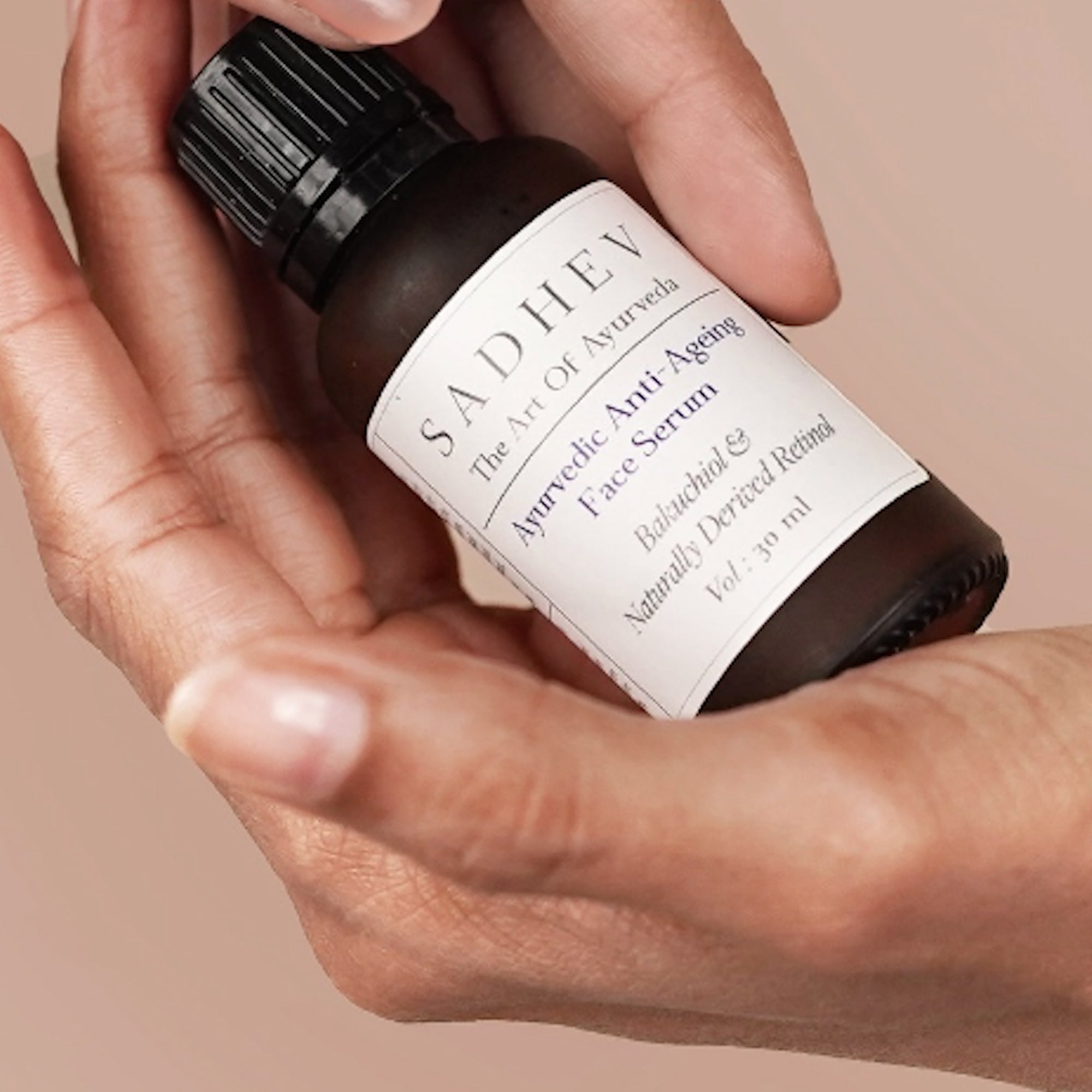
The treatment step — a serum addressing a specific concern, whether brightening, anti-ageing or another target — belongs between toning and moisturising, applied to the same slightly damp, pH-restored skin that makes toning effective, and given a full sixty seconds to absorb before the moisturiser seals it in. For the complete morning treatment breakdown, see our Vitamin C Serum guide.
Sunscreen is not optional and belongs as the final morning step, after moisturiser, every single day regardless of weather, season or whether the skin will be indoors for most of the day. This is the step most consistently skipped despite being arguably the single most important one in the entire sequence for preventing the pigmentation and premature ageing that daily UV exposure otherwise accumulates. SADHEV Sunscreen Gel SPF 50 PA+++ is formulated as this final, non-negotiable step.
|
C — Cleanse |
30 to 60 seconds, lukewarm water, gentle massage — removes surface accumulation |
|
T — Tone |
On slightly damp skin, patted not rubbed — restores pH balance |
|
[Treatment] |
Serum on damp, toned skin — 60 seconds absorption before next step |
|
M — Moisturise |
Upward, outward strokes — seals in hydration from previous steps |
|
[Sun Protection] |
Final morning step, non-negotiable — prevents UV-driven pigmentation and ageing |
The Evening Difference
The morning and evening sequences share the same core structure but differ in what replaces sunscreen as the final step. In the evening, after cleansing, toning and any treatment serum, a nourishing night oil takes the place of sun protection — delivering its actives during the skin’s nocturnal repair cycle rather than defending against daytime UV exposure. Kumkumadi Tailam, applied as the final evening step after moisturiser has absorbed, is this closing step in the SADHEV routine, chosen specifically because oil-based delivery reaches the skin’s lipid layer more effectively than the water-based products used earlier in the sequence. For the complete formulation and application details, see our Kumkumadi Tailam guide.
The Technique Mistakes That Undo a Good Routine
▸ Rushing between steps — applying the next product before the previous one has had time to absorb reduces the effectiveness of both, since they end up mixing on the surface rather than each reaching the skin in sequence.
▸ Using too much product — more is not more effective for any step in the sequence; excess product sits on the surface, gets wiped away or wasted, without improving the result.
▸ Rubbing instead of patting or gently massaging — particularly relevant for toner and serum application, where friction can undo some of the benefit the step is meant to provide.
▸ Applying to fully dry skin at every step rather than working with the slightly damp state that improves absorption between cleansing and moisturising.
For the complete morning and evening Ayurvedic skincare and body ritual that builds on this CTM foundation with the full sequence of steps: see our complete SADHEV ritual guide.
For the complete guide to the skin barrier, since correct CTM technique is one of the most direct ways to protect it from unnecessary daily stress: see our skin barrier guide.
For the complete guide to choosing the right SADHEV cleanser for your skin type, the first and most foundational step in the CTM sequence: see our facial cleanser guide.
SADHEV. Luxury Ayurvedic Care. Ayurveda in our bloodline.
Build your CTM routine with the complete SADHEV range.
— Written by SADHEV Ayurvedic Experts, rooted in a 200-year vaidyar lineage.


