




Vitamin C serum is one of the most recommended and most poorly understood products in skincare. Everyone knows they are supposed to use one. Far fewer people understand why most of the Vitamin C serums sold have already lost a significant portion of their potency by the time they reach the bathroom shelf, or why the concentration number on the label matters far less than the stability of the formulation behind it.
This guide covers what Vitamin C actually does for skin, why the source and formulation of the Vitamin C matters more than most marketing suggests, and exactly how to use it for the results it is genuinely capable of producing.
|
“The concentration on the label is what the serum started with. The stability of the formulation determines how much of that concentration is still active by the time you apply it.” |
What Vitamin C Actually Does for Skin
Vitamin C’s skin benefits come from two separate, well-documented mechanisms working together.
Tyrosinase inhibition. Melanin — the pigment responsible for dark spots, post-breakout marks and uneven tone — is produced through an enzymatic process involving tyrosinase. Vitamin C inhibits this enzyme, slowing new melanin production and allowing existing pigmented cells to be replaced by unpigmented ones through the skin’s natural 28 to 40 day renewal cycle. This is why consistent morning use produces visible brightening and evening of tone over six to eight weeks — it is not lightening the skin’s baseline colour, it is reducing the excess, uneven melanin that dark spots and patchiness are made of.
Antioxidant protection and collagen support. Vitamin C neutralises the free radicals generated by UV exposure and pollution before they can damage collagen and cell membranes, and it is a required cofactor for the enzymes that synthesise new collagen. Applied consistently, it provides both a protective and a structural benefit — defending existing skin structure while supporting the production of new collagen that keeps skin firm and resilient.
Why Formulation Stability Matters More Than Concentration
The most commonly used form of Vitamin C in skincare — L-ascorbic acid — is notoriously unstable. It begins oxidising on contact with air and light from the moment the bottle is opened, and a serum that has turned yellow, orange or brown has already lost a significant portion of its active potency regardless of what concentration was printed on the original label. This is why so many people report that their Vitamin C serum "stopped working" partway through the bottle — it did, because oxidation degraded it.
Amla — Indian gooseberry — offers a genuinely different chemistry. Its Vitamin C exists substantially bound to tannins in the form of compounds called emblicanins, which are significantly more stable against oxidation than free L-ascorbic acid. A formulation built on amla and other stable natural Vitamin C sources maintains a meaningfully higher proportion of its active potency across the life of the bottle than a comparable synthetic L-ascorbic acid serum, which is the practical reason this sourcing choice matters far more than it might initially seem.
Kakadu plum, the second Vitamin C source in the SADHEV formulation, is separately documented as one of the highest natural Vitamin C concentrations of any fruit identified — significantly exceeding orange, and contributing its own antioxidant compounds alongside amla’s stability advantage.
|
Primary actives |
Amla (Indian gooseberry) and Kakadu plum — natural Vitamin C sources |
|
Vitamin C form |
Emblicanin-bound (amla) — significantly more oxidation-stable than free L-ascorbic acid |
|
Primary mechanism |
Tyrosinase inhibition (brightening) and antioxidant/collagen support |
|
Best time to apply |
Morning — provides daytime antioxidant protection against UV and pollution |
|
Pairs with |
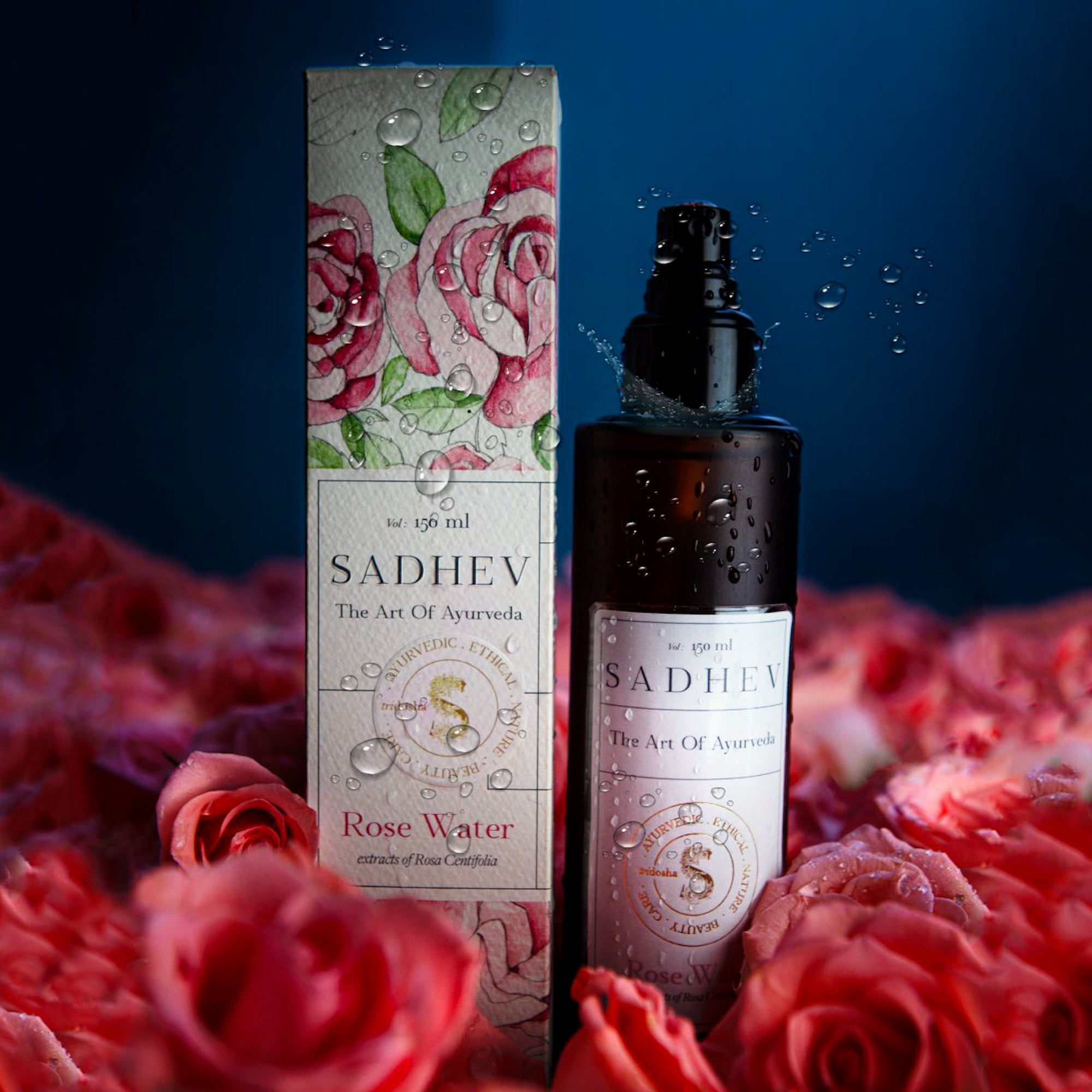
Sunscreen (essential), Rose Water (before), moisturiser (after) |
|
Visible timeline |
6 to 8 weeks of consistent daily morning use for tone evening |
How to Use Vitamin C Serum Correctly
Morning, Not Night
Vitamin C’s primary value is as a daytime antioxidant — it works alongside sunscreen to defend against the UV and pollution exposure that occurs during the day. Applying it at night, when the skin is in repair mode rather than defending against environmental assault, wastes its most relevant mechanism. Reserve the evening for different actives — Bakuchiol or Kumkumadi Tailam’s saffron-based repair action — that are more suited to the skin’s nocturnal state.
The Correct Sequence
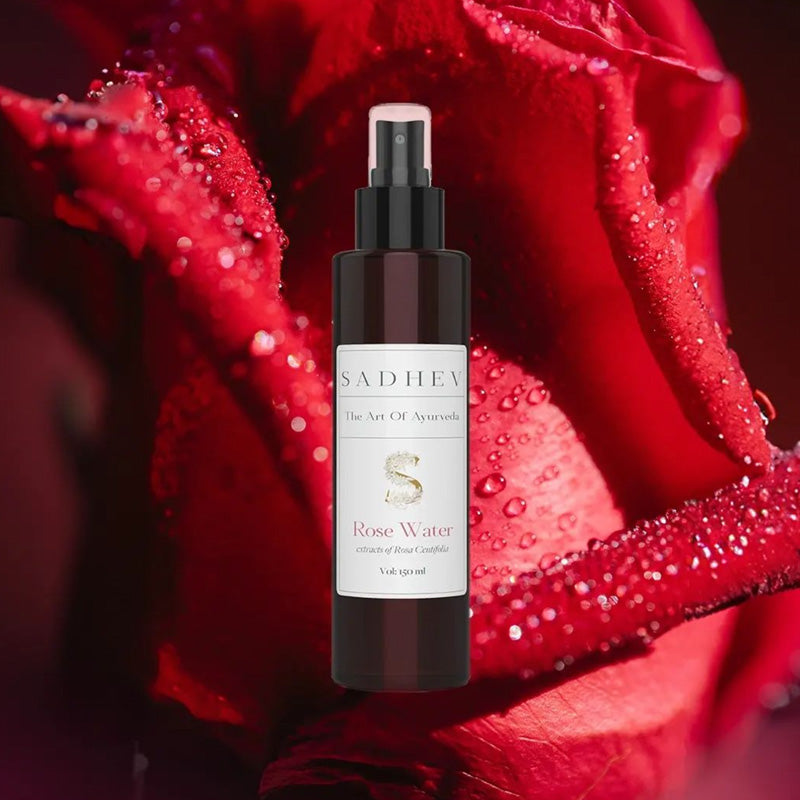
Cleanse, then tone with Rose Water on slightly damp skin, then apply the Vitamin C Serum, then moisturiser, then sunscreen as the final step. Applying serum before toner reduces its effectiveness, since the skin’s pH has not yet been restored to the slightly acidic range in which active ingredients penetrate most efficiently. Applying it after moisturiser blocks it from reaching the skin surface at all.
Sunscreen Is Not Optional
This is the single most important pairing in the entire routine. Vitamin C neutralises the free radicals that get through sunscreen; sunscreen prevents the UV exposure that would otherwise overwhelm what Vitamin C alone can neutralise. Used without daily sunscreen, Vitamin C serum is working against a UV load it cannot fully counter, and much of its brightening benefit is undone by new UV-triggered pigmentation forming as fast as the serum addresses the old.
A Small Amount Goes Further Than Expected
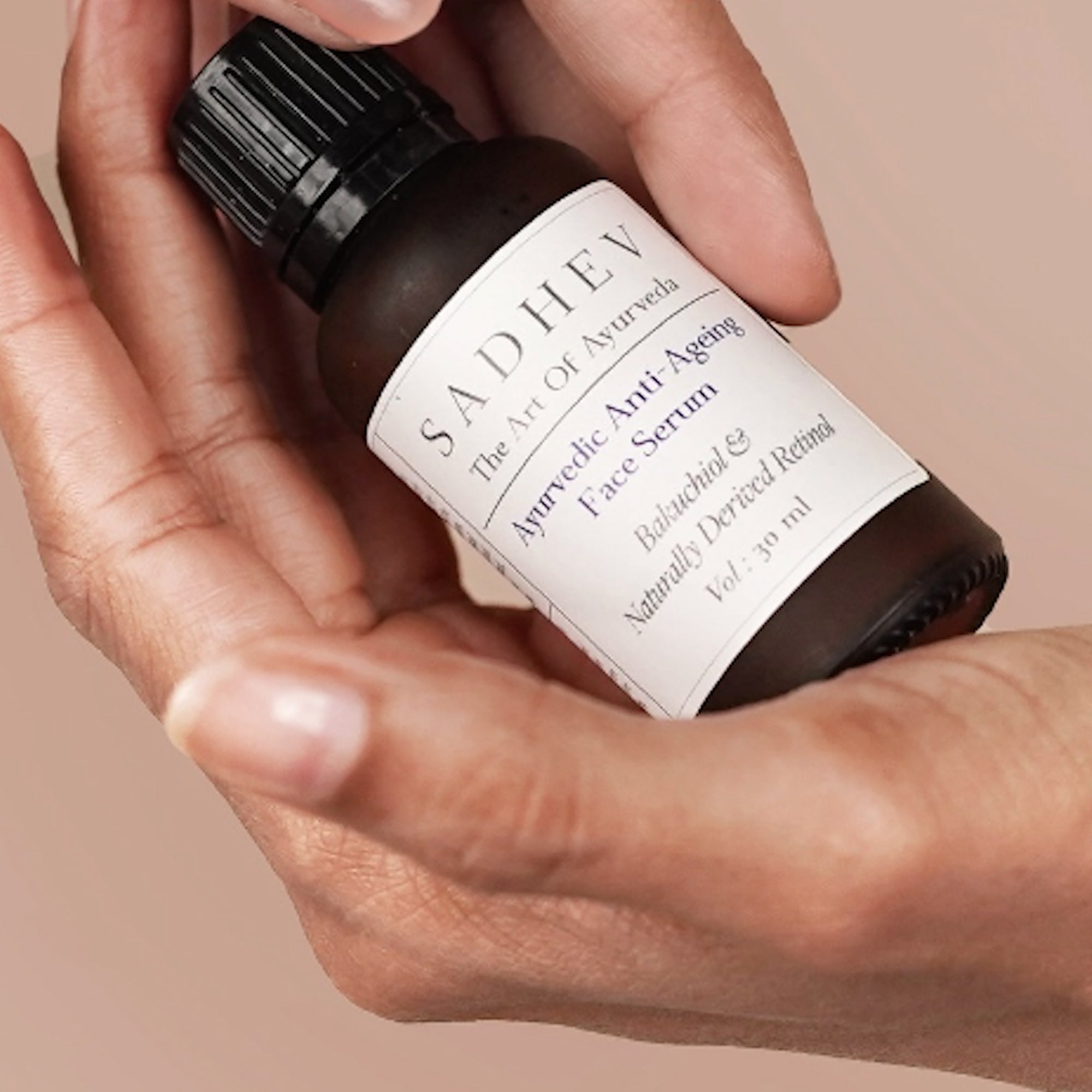
Two to three drops is sufficient for the full face. Serums are concentrated by design; applying more does not accelerate results and mainly wastes product. Pat gently into the skin rather than rubbing, and allow a full sixty seconds of absorption before applying the next step.
What Vitamin C Serum Does Not Do
It does not lighten the skin’s baseline tone — it addresses the excess, uneven melanin responsible for dark spots and patchiness, not the underlying skin colour itself. It is not a substitute for sunscreen, and using it in place of daily SPF undermines the very mechanism it is meant to support. And it is not a fast fix — the tyrosinase inhibition mechanism works through the skin’s natural renewal cycle, which takes weeks, not days, to produce visible change.
|
“Vitamin C serum does its most important work in partnership with sunscreen, not instead of it. Skipping SPF while using Vitamin C undermines the exact result the serum is meant to deliver.” |
SADHEV Ayurvedic Vitamin C Serum
SADHEV Ayurvedic Vitamin C Serum is built on amla and Kakadu plum specifically for the formulation stability advantage this sourcing provides — maintaining a meaningfully higher proportion of active potency across the life of the bottle than a comparable synthetic L-ascorbic acid serum. Used consistently every morning, followed by sunscreen, it delivers the tyrosinase inhibition and antioxidant protection documented above in a formulation designed to still be working on the last application, not just the first.
For the complete guide to amla — the primary Vitamin C source in this serum — and its comprehensive benefits across skin and hair: see our amla guide.
For the complete guide to pigmentation and dark spots, including how Vitamin C fits into the broader Ayurvedic brightening protocol alongside Kumkumadi Tailam: see our pigmentation guide.
For the complete morning and evening Ayurvedic skincare ritual, including exactly where Vitamin C Serum fits in the correct sequence: see our complete SADHEV ritual guide.
SADHEV. Luxury Ayurvedic Care. Ayurveda in our bloodline.
Experience SADHEV Ayurvedic Vitamin C Serum — stable, natural brightening with amla and Kakadu plum.
— Written by SADHEV Ayurvedic Experts, rooted in a 200-year vaidyar lineage.


