




If Ayurveda has a single most important herb, it is amla. Amalaki — the Sanskrit name for Indian gooseberry — appears in more classical formulations, across more therapeutic applications and with more comprehensively documented benefits than any other herb in the tradition. The Charaka Samhita, one of the foundational texts of Ayurvedic medicine, describes amla as the single best herb for promoting longevity. The Sushruta Samhita classifies it first among the herbs that promote strength, immunity and tissue health.
These are not casual attributions. In a tradition that chose words with precision, calling amla the best of anything is a strong clinical statement. And modern research has since confirmed what thousands of years of Ayurvedic observation recorded — amla is one of the most phytochemically rich plants known, with documented action across skin health, hair health, immune function, liver protection and anti-ageing.
This guide covers what amla does specifically for skin and hair — at the level of the active compounds, the documented mechanisms and the realistic outcomes you can expect from consistent use.
|
“The Charaka Samhita describes amla as the single best herb for longevity. Modern research has confirmed what 5,000 years of practice already knew.” |
What Amla Is
Amla is the fruit of Phyllanthus emblica — a deciduous tree native to the Indian subcontinent and found across tropical and subtropical Asia. The fruit is small, round and pale green to yellow in colour, with a characteristically sour, astringent taste that reflects its exceptionally high content of organic acids and polyphenols.
In Ayurvedic classification amla is one of the few herbs described as having five of the six tastes — sour, sweet, bitter, pungent and astringent — which in classical theory indicates an unusually comprehensive therapeutic action. It is classified as a tridoshic herb — one that balances all three doshas simultaneously, which is rare in Ayurvedic pharmacology. Most herbs address one or two doshas. Amla addresses all three.
|
Botanical name |
Phyllanthus emblica |
|
Ayurvedic name |
Amalaki — also called Dhatri (meaning nurse or mother) |
|
Ayurvedic classification |
Tridoshic — balances Vata, Pitta and Kapha |
|
Primary active compounds |
Emblicanin A and B, Punigluconin, Pedunculagin, Vitamin C (as ascorbigen) |
|
Vitamin C content |
600–900 mg per 100g fresh weight — 20 times higher than orange |
|
Traditional use |
Skin health, hair health, immunity, digestion, anti-ageing, liver support |
|
Part used |
Fruit (primary), seed, bark, leaf |
Why Amla's Vitamin C is Different
Amla is consistently cited as one of the richest natural sources of Vitamin C available — containing 20 times the Vitamin C concentration of orange by weight. But the more important distinction is not the quantity. It is the form.
The Vitamin C in amla exists primarily as emblicanin A and emblicanin B — tannin-bound forms that are significantly more stable than free ascorbic acid. Synthetic Vitamin C — the ascorbic acid used in most commercial Vitamin C serums — begins to oxidise immediately upon exposure to air and light. A Vitamin C serum that has turned orange or yellow has largely already oxidised and lost most of its therapeutic value. This is why synthetic Vitamin C serums have short shelf lives and must be stored carefully.
The tannin-bound Vitamin C in amla does not oxidise at the same rate. It remains stable in formulation significantly longer than synthetic ascorbic acid, delivering consistent potency throughout the product's useful life. Additionally, the polyphenols and other phytochemicals present in whole amla extract work synergistically with the Vitamin C — enhancing its antioxidant activity beyond what the isolated compound produces alone. This synergistic effect is what makes amla-based Vitamin C formulations more effective than synthetic ascorbic acid at equivalent concentrations.
|
“Amla's Vitamin C is bound to tannins that prevent oxidation. It stays potent longer than synthetic ascorbic acid and works in synergy with amla's own polyphenols.” |
Amla Benefits for Skin
1. Brightening and Even Skin Tone
Vitamin C's primary mechanism for skin brightening is tyrosinase inhibition — blocking the enzyme that drives melanin overproduction. When the skin is exposed to UV radiation, pollution or inflammation, melanocytes produce excess melanin unevenly across the skin surface. This uneven melanin distribution produces dark spots, post-breakout marks and the patchy complexion that makes skin appear dull.
Amla-derived Vitamin C inhibits this tyrosinase activity consistently and gently. Applied every morning in a serum format, it progressively reduces the excess melanin already present and prevents new uneven melanin production from occurring during the day. The result over six to eight weeks is more even, more luminous skin — not a different skin tone but the skin's own natural tone at its most evenly expressed.
This is the Ayurvedic concept of Varnya — the natural radiance and complexion enhancement that classical formulations sought. Amla is classified among the primary varnya herbs in classical Ayurveda, which documents its brightening action comprehensively across centuries of clinical observation.
2. Antioxidant Protection Against Ageing
Free radicals generated by UV exposure and environmental pollution are the primary drivers of premature skin ageing — breaking down collagen, damaging cell membranes and accelerating the loss of firmness and elasticity that makes skin look older than it is. Antioxidants neutralise these free radicals before they can cause this damage.
Amla's antioxidant capacity — measured by ORAC value, the standard measure of antioxidant activity — is among the highest of any fruit tested. Its combination of Vitamin C, emblicanins, ellagic acid and gallic acid provides comprehensive free radical neutralisation across multiple oxidative pathways. Applied topically in the morning, amla-derived antioxidants provide a protective layer that works alongside sunscreen to reduce the oxidative damage that sunscreen alone cannot prevent.
3. Collagen Support
Vitamin C is a required cofactor for collagen synthesis — the process by which the skin produces the structural protein that keeps it firm, elastic and resilient. Without adequate Vitamin C at the cellular level, the enzymes that produce collagen cannot function correctly. This is why Vitamin C deficiency produces visible skin changes — not just in the extreme clinical presentation but in the subtle loss of firmness and bounce that happens when collagen synthesis is suboptimal.
Applied consistently in the morning, amla-derived Vitamin C provides the cofactor support that collagen synthesis requires. Over months of use this produces skin that maintains its structural integrity better than skin that has not received consistent Vitamin C — measurably firmer and more resilient to the fine lines and wrinkles that stress, pollution and UV exposure cause.
4. Anti-Inflammatory Action
Amla's ellagic acid and gallic acid provide potent anti-inflammatory action at the cellular level. Chronic low-grade skin inflammation — the kind that is not visible as redness but drives the accelerated ageing, pigmentation and barrier compromise that affect skin over time — is significantly reduced by consistent amla application.
For skin prone to breakouts, this anti-inflammatory action reduces the severity and duration of the inflammatory response that causes both the breakout and the post-inflammatory mark that follows it. For all skin types, reduced chronic inflammation produces skin that is calmer, more even and more resilient over time.
Amla Benefits for Hair
1. Melanocyte Protection — Addressing Premature Greying
The follicular melanocytes — cells that produce the pigment giving hair its colour — are particularly sensitive to oxidative damage. Chronic free radical exposure at the follicular level depletes melanocyte function progressively, producing the premature greying that affects increasing numbers of people in their twenties and thirties.
Amla's concentrated antioxidant activity provides direct protection to follicular melanocytes. Applied consistently through a hair oil or shampoo, it delivers its antioxidant compounds to the scalp environment where the melanocytes reside, slowing the oxidative depletion that causes their decline. This is why amla is one of the primary classical Ayurvedic herbs for premature greying — the mechanism is antioxidant protection of the very cells responsible for hair colour.
These interventions protect melanocytes that are still functioning. They do not restore colour to hair that has already greyed. The observable result is slower progression of greying — fewer new grey hairs appearing each month over six to twelve months of consistent use.
2. Strengthening the Hair Shaft
Amla's Vitamin C content supports collagen production not just in skin but in the connective tissue that surrounds each hair follicle — the tissue that anchors the follicle and determines the strength of the hair shaft it produces. Better-supported follicles produce stronger hair shafts that are more resistant to breakage under the mechanical stress of washing, detangling and styling.
Additionally, amla's tannins coat the hair shaft surface when applied through oil or shampoo, temporarily smoothing the cuticle and reducing the porosity that makes hair brittle and prone to breakage. Hair treated consistently with amla feels noticeably stronger and more resilient than untreated hair within four to six weeks.
3. Iron Absorption Support — Scalp Circulation
Iron deficiency is one of the most common nutritional causes of hair fall in Indian women specifically. The mechanism is straightforward — iron is required for haemoglobin production, haemoglobin carries oxygen through the blood, and the hair follicle is one of the most oxygen-demanding structures in the body. Inadequate iron means inadequate oxygen delivery to the follicle, weakening its function and shortening the growth phase.
Amla's Vitamin C content significantly enhances iron absorption from dietary sources — Vitamin C converts dietary iron from the less-absorbable ferric form to the more-absorbable ferrous form. This is why the classical Ayurvedic combination of amla with bhringraj — which contains naturally occurring iron — is so well documented for hair fall: the amla enhances the bioavailability of bhringraj's iron, strengthening the oxygen delivery mechanism that healthy follicular function depends on.
4. Anti-Dandruff Action
Amla's antimicrobial and anti-inflammatory properties address both the primary cause of dandruff — Malassezia overgrowth — and the scalp inflammation that accompanies it. Applied through an anti-dandruff oil or shampoo, amla creates a scalp environment that is less hospitable to fungal overgrowth while simultaneously calming the inflammatory response that makes dandruff symptomatic.
Its astringent action also helps regulate excess sebum production — the excess oil that feeds Malassezia. This sebum-regulating effect, combined with anti-inflammatory and antimicrobial action, makes amla a comprehensive dandruff-addressing ingredient that works through multiple mechanisms rather than a single suppressive pathway.
How to Use Amla Correctly
Amla is effective through three primary application routes for skin and hair — topical serum, hair oil and shampoo.
For Skin — Vitamin C Serum
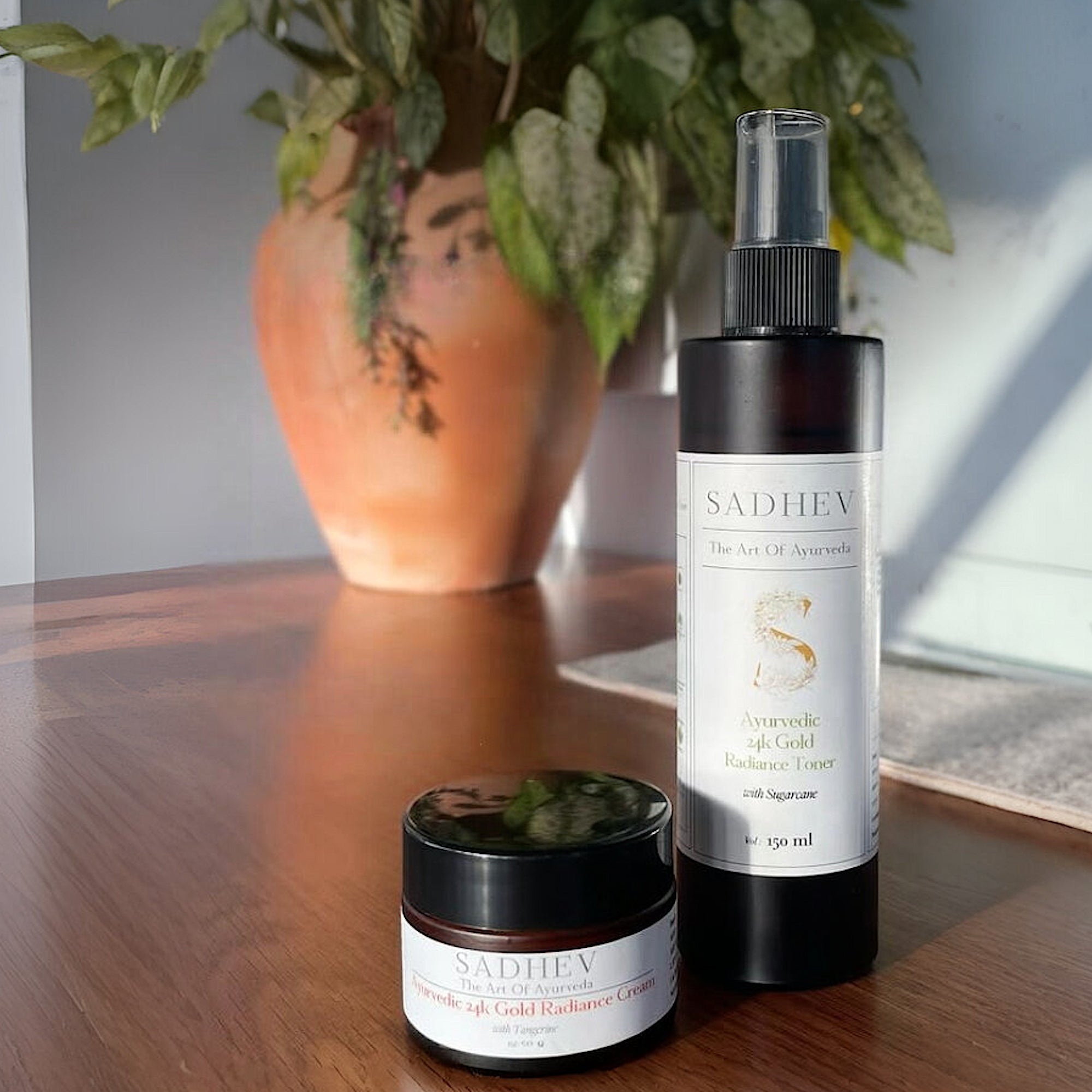
SADHEV Ayurvedic Vitamin C Serum uses amla-derived Vitamin C as its primary active ingredient alongside Kakadu plum — one of the highest natural Vitamin C sources known — for a stable, bioavailable formulation that maintains potency through the product's shelf life.
Apply after cleansing and toning, before moisturiser, every morning without exception. Vitamin C is a morning ingredient — it provides antioxidant protection against the UV and pollution exposure that occurs during the day. At night, oil-based treatments like Kumkumadi Tailam are more appropriate. Always follow with sunscreen — Vitamin C and sunscreen together are significantly more effective than either alone.
For Hair — Oil and Shampoo
Amla is most effectively delivered to the scalp and hair through pre-wash oil treatment and sulphate-free shampoo used together as a complete system.
For hair fall — SADHEV Anti-Hair Fall Oil with bhringraj and amla applied before every wash, massaged into the scalp for five minutes, left for twenty minutes, then washed out with the Anti-Hair Fall Shampoo. The amla's antioxidant action protects the follicular melanocytes and supports iron absorption while the bhringraj extends the anagen phase and stimulates scalp circulation.
For dandruff — SADHEV Anti-Dandruff Oil and Anti-Dandruff Shampoo with amla deliver antimicrobial and anti-inflammatory compounds to the scalp environment with every application, progressively restoring the microbiome balance that sustained dandruff disrupts.
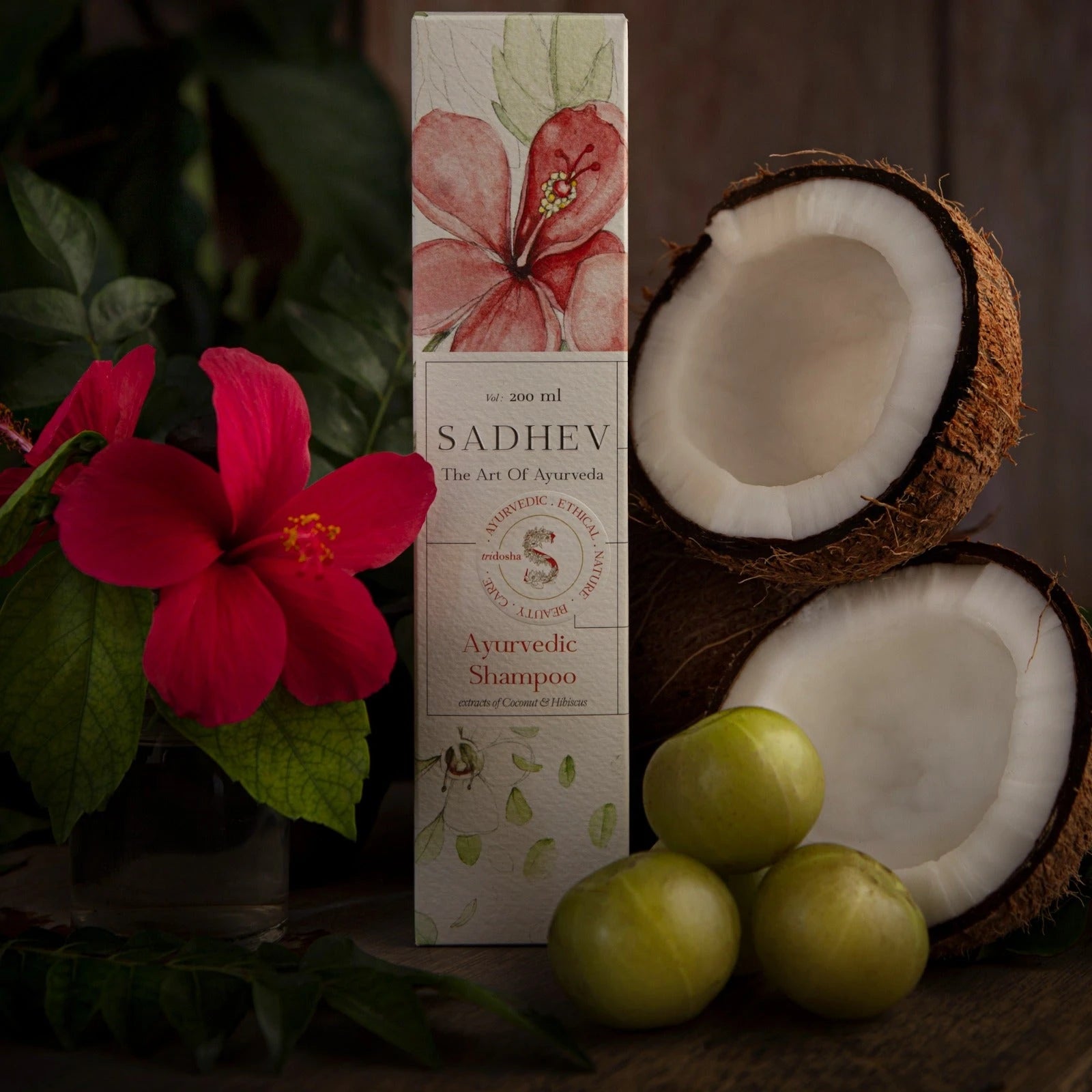
For normal hair maintenance — SADHEV Ayurvedic Shampoo with amla maintains the scalp health and hair shaft strength that prevents the conditions that lead to elevated hair fall and dandruff from developing.
Amla and the SADHEV Formulation Philosophy
At SADHEV, amla is sourced from Sadhevana — our 80-acre certified organic farm on the outskirts of Chennai where Panchakavya is the sole fertiliser and zero chemical inputs are used. Organically grown amla produces higher concentrations of the polyphenols — emblicanins, ellagic acid, gallic acid — responsible for its therapeutic effects than conventionally grown fruit, because plants under natural growing conditions produce their own protective secondary metabolites in greater abundance.
This is the sourcing principle that determines whether an amla formulation actually delivers the benefits documented for the ingredient. The difference between organically grown amla from a farm with documented growing practices and commodity amla sourced from an undisclosed origin is significant — not just in ethics but in phytochemical concentration and therapeutic outcome.
The Realistic Timeline for Amla Results
For skin — Vitamin C applied every morning produces initial brightening signals at four to six weeks as tyrosinase inhibition reduces new uneven melanin production. Existing dark spots begin visibly fading at six to eight weeks. Collagen-related firmness improvements build over months of consistent use and are most noticeable at the three to six month mark.
For hair fall — reduced shedding becomes noticeable at four to six weeks of consistent oil and shampoo use. New growth at the hairline at eight to twelve weeks. Meaningful density improvement at four to six months. Premature greying slowing is observable over six to twelve months.
For dandruff — scalp calming and reduced flaking within two to three weeks of consistent use. Significant microbiome rebalancing at six to eight weeks.
The consistent requirement across every application is exactly that — consistency. Amla applied irregularly produces inconsistent results. The biochemical pathways it acts on require sustained input over weeks and months to produce the changes that are durable rather than temporary.
|
“Amla works across skin, hair and scalp through overlapping mechanisms. Applied consistently, it addresses multiple concerns simultaneously through the same daily routine.” |
For the complete guide to how bhringraj and amla work together in the anti-hair fall protocol and why the classical combination is more effective than either herb alone: see our bhringraj guide.
For the complete Ayurvedic skincare routine that incorporates amla-derived Vitamin C correctly including the full morning sequence and the products that work best alongside it: see our complete SADHEV ritual guide.
SADHEV. Luxury Ayurvedic Care. Ayurveda in our bloodline.
Explore SADHEV's amla-formulated skincare and hair care range.
— Written by SADHEV Ayurvedic Experts, rooted in a 200-year vaidyar lineage.


