




Most approaches to hair fall start with the hair. Ayurveda starts with the scalp. This distinction sounds simple. Its implications are significant.
Hair fall that is not caused by a medical condition — thyroid, hormonal imbalance or nutritional deficiency diagnosed by a doctor — is almost always a scalp health problem. The follicle is producing hair in a compromised environment: poor circulation, inflammation, excess sebum, a disrupted microbiome or a scalp stripped of its natural oils by harsh cleansers. The hair falls. The underlying condition continues. Most hair fall treatments address the symptom without touching any of these causes.
Ayurveda has addressed this differently for thousands of years. The classical approach to hair fall is a protocol — a sequence of specific practices using specific ingredients that restore scalp health systematically. The results are cumulative. They take time. And they last, because the cause is being addressed rather than suppressed.
Here is a 30-day protocol built on classical Ayurvedic principles and SADHEV formulations. Follow it consistently for 30 days before assessing results.
|
“Ayurveda does not treat hair fall. It restores the scalp conditions that allow hair to grow. The hair then takes care of itself.” |
Understanding the Ayurvedic Cause of Hair Fall
Classical Ayurveda identifies three primary dosha-related causes of hair fall. Vata imbalance produces dry, brittle hair that breaks at the shaft and a dry scalp that cannot nourish follicles adequately. Pitta imbalance produces inflammation at the scalp level — the follicle is literally in an inhospitable environment — and is the most common cause of stress-related hair fall and premature thinning. Kapha imbalance produces a congested, oily scalp where excess sebum blocks the follicle opening, disrupting the growth cycle.
Most people with significant hair fall present a combination of Pitta and Vata — a stressed, inflamed scalp that is also dehydrated and stripped from over-washing or harsh cleansers. The 30-day protocol below addresses both simultaneously.
The 30-Day Protocol
Week 1 and 2 — Establish the Oiling Practice
The first and most important change is adding pre-wash oiling to your routine. Twice a week, apply a warm Ayurvedic hair oil to the scalp and massage for five to ten minutes using circular motions with the fingertips. Leave for a minimum of one hour — overnight is better. This practice, called Shiro Abhyanga in classical Ayurveda, is the single most effective non-medical intervention for hair fall. It improves scalp circulation, nourishes the follicle directly, and creates a protective barrier that prevents the shampoo from stripping too aggressively.
Do not skip this step. The oiling practice is the foundation of the entire protocol. Everything that follows builds on a scalp that has been prepared.
Week 1 through 4 — Switch to a Sulphate-Free Bhringraj Shampoo
The second change is the most immediately impactful. Conventional shampoos containing sulphates strip the scalp of its natural protective oils with every wash, forcing it to overproduce sebum, disrupting the microbiome and creating a chronic low-grade inflammation that directly contributes to hair fall. Switching to a sulphate-free formula stops this cycle immediately.
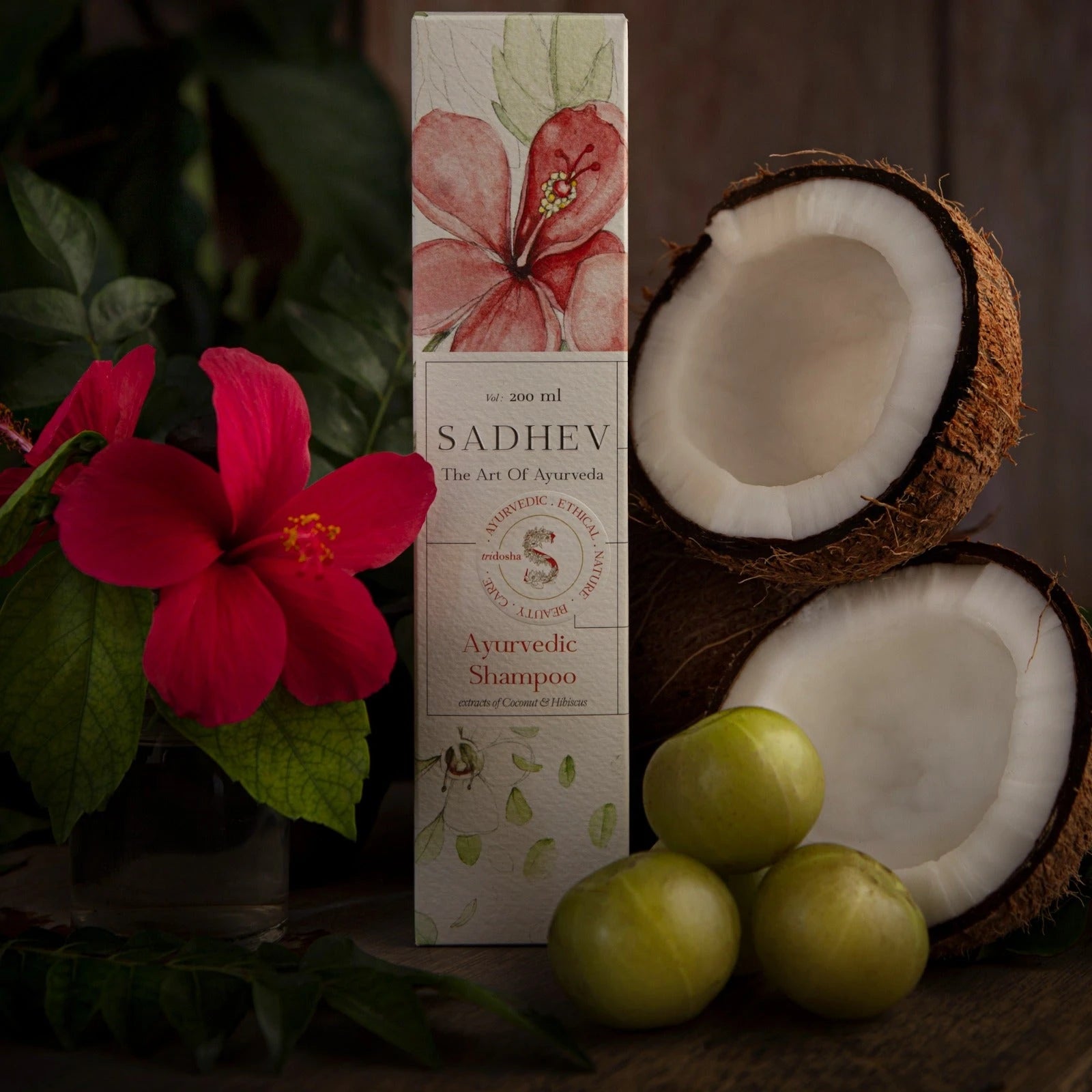
SADHEV Ayurvedic Shampoo contains bhringraj, amla, hibiscus, curry leaves and reetha in a sulphate-free formula that cleanses the scalp without disrupting its natural balance. Bhringraj — classified in classical Ayurveda as Kesharaj, king of the hair — stimulates the scalp and extends the anagen growth phase. Amla strengthens the follicle structure. Hibiscus conditions and reduces mechanical hair fall. Use this as your only shampoo for the entire 30-day protocol.
Week 1 through 4 — Condition After Every Wash
Hair that is prone to fall is almost always also prone to breakage. Conditioning after every wash closes the hair cuticle, reduces friction between hairs and significantly reduces the mechanical hair fall that happens during brushing and styling on wet hair.
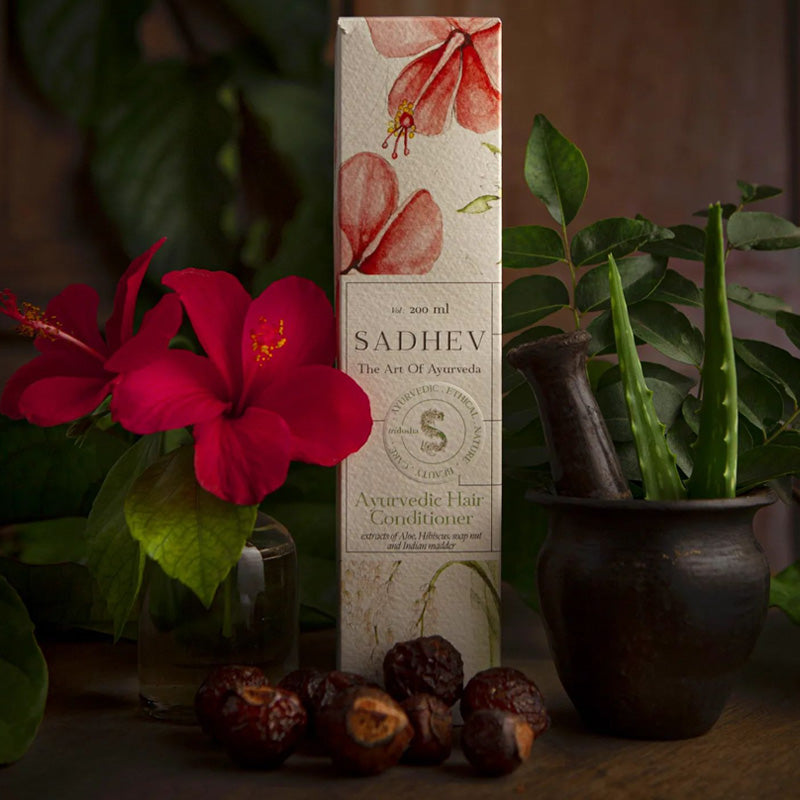
Apply SADHEV Ayurvedic Hair Conditioner from mid-lengths to ends after shampooing. Leave for two to three minutes and rinse thoroughly. Do not apply to the scalp. Used consistently, the hibiscus and aloe vera in the conditioner progressively improve hair strength and reduce the shedding that happens after washing.
What to Expect at 30 Days
The first two weeks will feel different before they look different. The scalp will feel calmer after washing — less tight, less stripped. This is the sulphate removal working. In the second two weeks, the oiling and bhringraj begin to show in reduced shedding during washing and brushing.
Visible improvement in density and growth takes eight to twelve weeks of consistent practice, not thirty days. The thirty-day protocol is the commitment period — the point at which the scalp conditions that cause hair fall have changed sufficiently for the growth cycle to respond. Results compound from here.
For the complete Ayurvedic hair care routine that shows how to integrate this protocol into a daily and weekly practice, see our Ayurvedic hair care routine guide.
The Ingredients Behind the Protocol
The bhringraj and amla in SADHEV's shampoo are the classical Ayurvedic pairing for hair fall. Bhringraj extends the anagen growth phase and stimulates follicular circulation. Amla provides the Vitamin C and collagen support that strengthens the follicle structure. Together they address the two primary scalp-level causes of non-medical hair fall — poor circulation and structural weakness.
For a deeper understanding of how bhringraj works and the science behind its classical designation as the king of hair herbs, read our detailed bhringraj for hair fall guide. For amla's role in follicle strengthening and natural colour preservation, see our amla benefits guide.
SADHEV. Luxury Ayurvedic Care. Ayurveda in our bloodline.
Begin the 30-day protocol with SADHEV Ayurvedic Shampoo and SADHEV Ayurvedic Hair Conditioner. Shop the full SADHEV hair care range.
— Written by SADHEV Ayurvedic Experts, rooted in a 200-year vaidyar lineage.


