



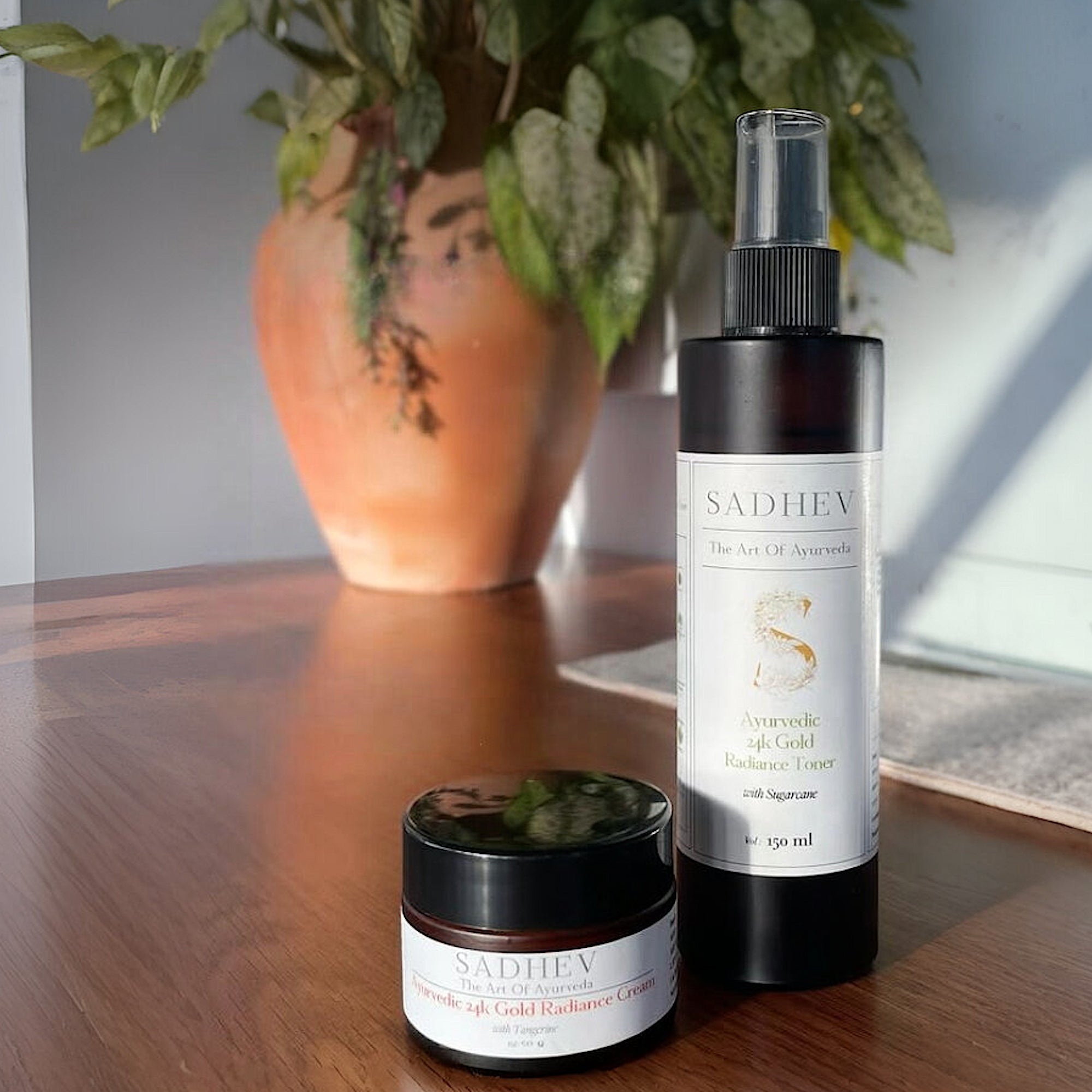
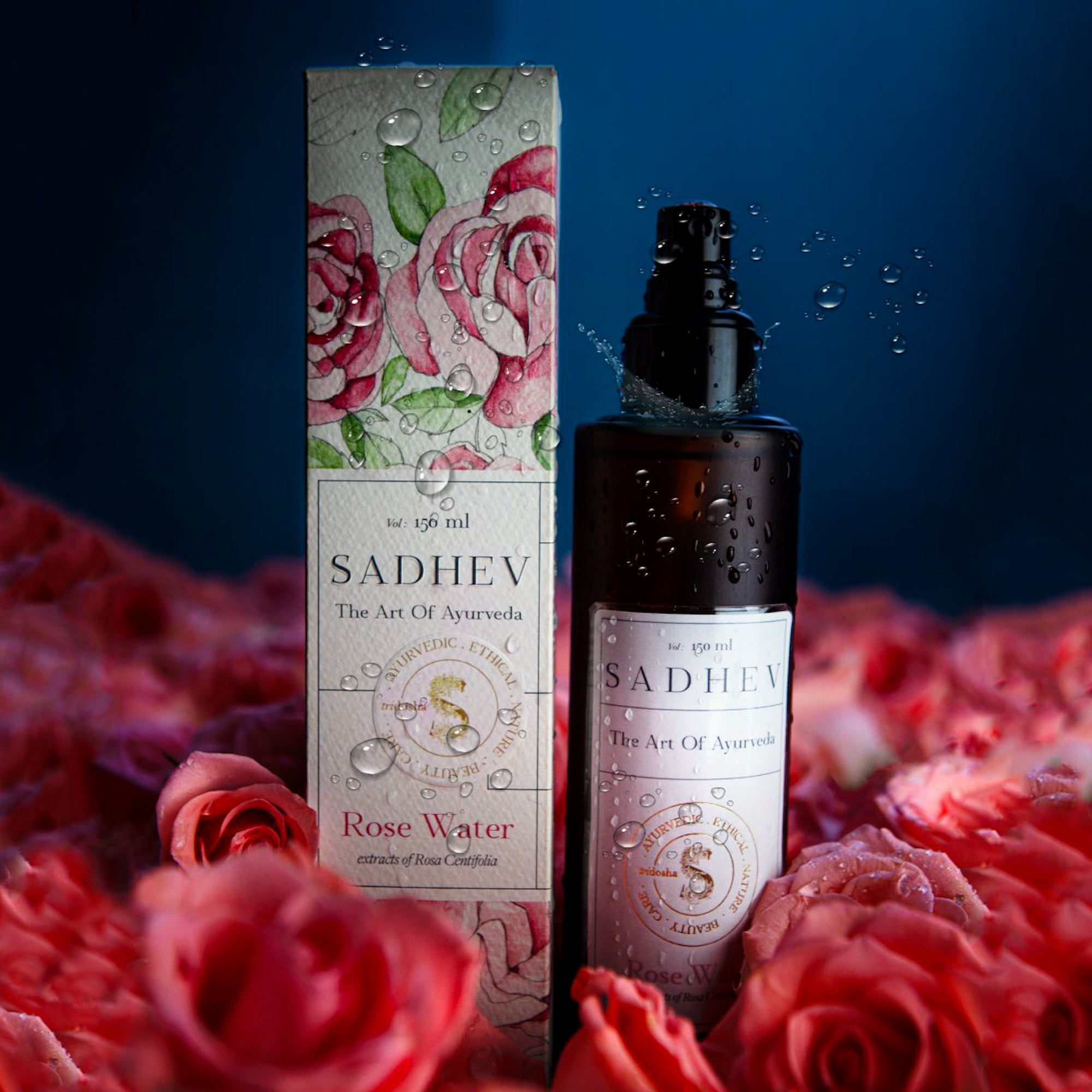
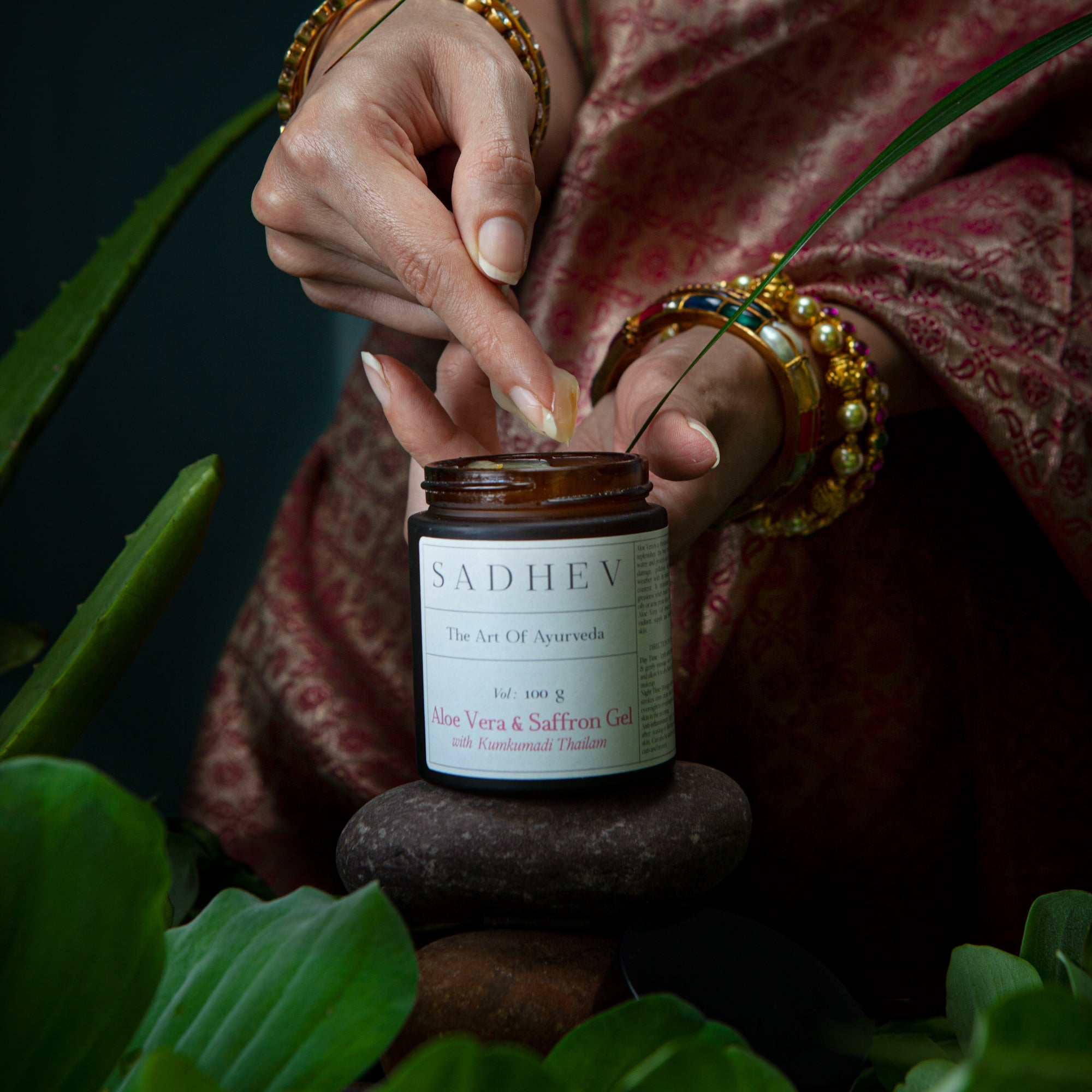
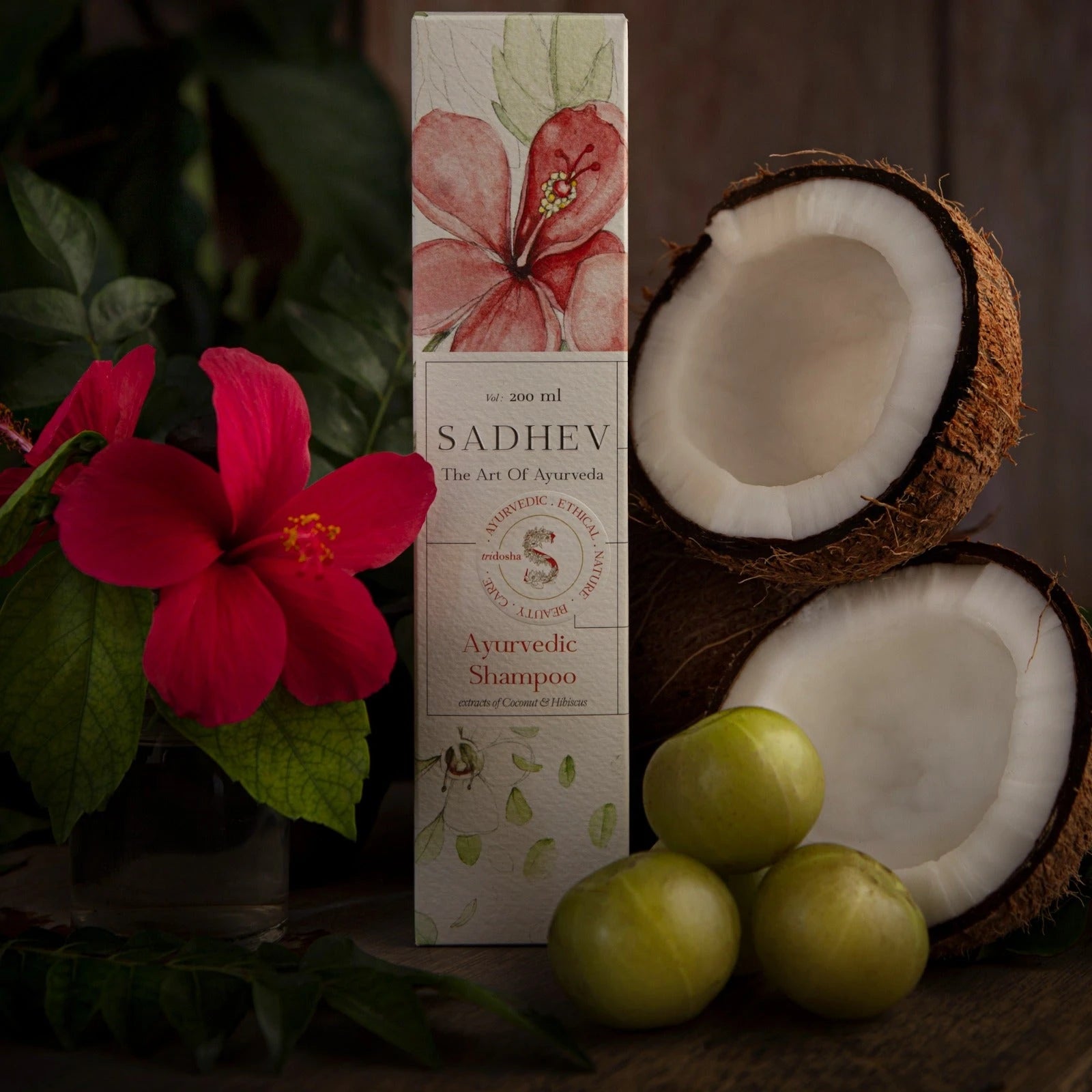

Winter is the season Ayurveda has always treated with the most caution when it comes to skin. Cold, dry air, low humidity, indoor heating and hot showers combine to create the single most depleting environment the skin faces all year — and in Ayurvedic terms, this is peak Vata season. If you have read our dosha skin type guide, you already know Vata governs dryness, roughness, fine lines and instability. Winter is when Vata's qualities dominate the environment itself, regardless of your baseline dosha, which is why even people with naturally oily or combination skin often notice new dryness, flaking and sensitivity for the first time each winter.
The mistake most winter skincare advice makes is treating it as simply "use a richer moisturiser." That is part of the answer, but not the complete one. The correct Ayurvedic winter protocol addresses Vata's specific qualities — dryness, coldness, mobility and depletion — across the entire routine, not just the moisturising step.
|
“Winter does not just dry out your skin. It puts every skin type into a temporary Vata state — which is why the correct winter protocol counters Vata specifically, not just ‘adds more moisture’.” |
Why Winter Is Uniquely Hard on Skin
Cold air holds significantly less moisture than warm air, and indoor heating strips what little humidity remains — the combination creates an environment where the skin's transepidermal water loss accelerates even as the air feels less obviously "drying" than a hot, arid summer day. This is why winter dehydration often catches people by surprise: there is no sweat, no obvious heat cue, so the moisture loss goes unnoticed until the skin is already flaking, tight or cracking.
Hot showers and baths — more frequent and longer in winter — compound this by stripping the skin's natural lipid barrier at exactly the moment that barrier is most needed. The barrier that protects against moisture loss is being actively dissolved by the same hot water people reach for because cold water feels unpleasant in winter.
Wind exposure, particularly in northern Indian winters, adds a mechanical stripping effect on top of the humidity loss. And reduced water intake — people drink less water in winter simply because they feel less thirsty without heat cues — removes the internal hydration that would otherwise partially compensate for the external moisture loss.
The Ayurvedic Response — Snehana Intensifies
The Snehana principle — consistent application of nourishing oils and lipids to counter Vata's depleting qualities — is relevant year-round for Vata-dominant skin, but in winter it becomes the central organising principle of the routine for every skin type, not just Vata-dominant skin. Ingredients and formats that would be too rich for summer become correct in winter. Steps that were optional in warmer months become necessary.
The winter shift is not a different set of products so much as a different intensity and frequency of the same Ayurvedic principles — richer textures, more consistent oiling, warmer ingredients, and a deliberate slowing down of the routine to allow each step proper absorption time, which itself mirrors Ayurveda's broader winter guidance toward warmth, groundedness and unhurried ritual.
The Winter Face Routine
MORNING ROUTINE
|
Step |
SADHEV Product |
Why in Winter |
|
Cleanse |
Ayurvedic Facial Cleanser — gentle, cream-based for winter |
Foaming cleansers strip further in already-dry winter air |
|
Tone |
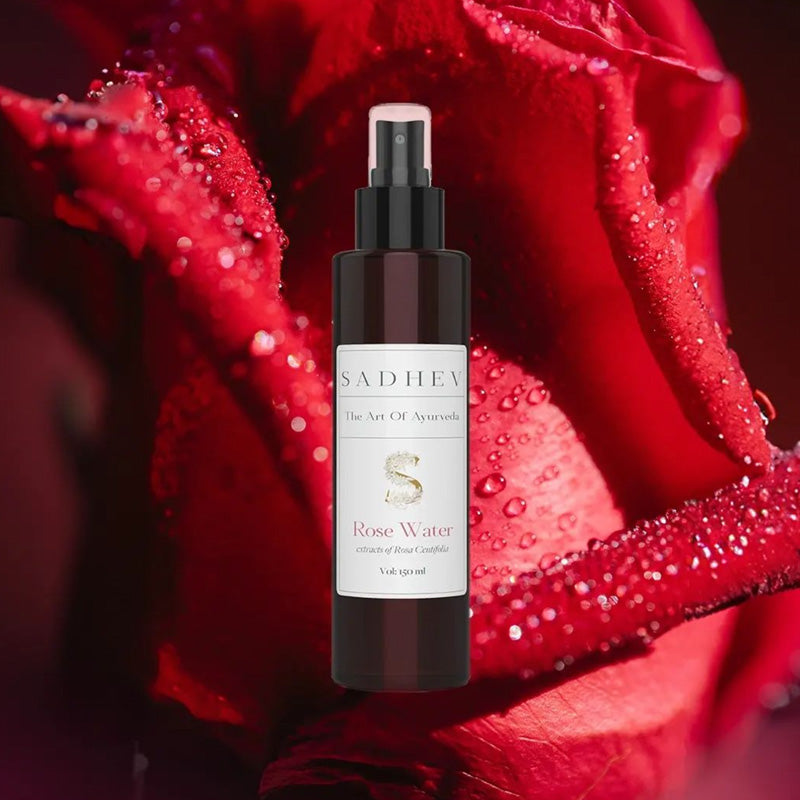
Rose Water — room temperature, not chilled, in winter |
Cooling application is less necessary; still provides pH restoration |
|
Treat |
Winter sun is still UV-active; antioxidant protection stays essential |
|
|
Moisturise |
Rejuvenating Night Cream texture, used morning too if needed |
Winter often needs the richer cream even in the morning |
|
Protect |
Sunscreen Gel SPF 50 PA+++ — non-negotiable |
UV does not pause for winter; skiing/hill-station exposure is intense |
The single most common winter mistake is switching to a foaming, sulphate-based cleanser because skin feels congested from richer winter products — this strips exactly the barrier the rest of the routine is trying to build. Stay with a gentle, cream or gel cleanser through winter regardless of how the skin feels; the richness further down the routine is what is needed, not more aggressive cleansing.
EVENING ROUTINE
|
Step |
SADHEV Product |
Why in Winter |
|
Cleanse |
Ayurvedic Facial Cleanser — lukewarm water only |
Hot water at night compounds the day’s barrier stripping |
|
Tone |
Rose Water — room temperature, slightly damp skin |
Locks in the residual moisture from cleansing |
|
Treat |
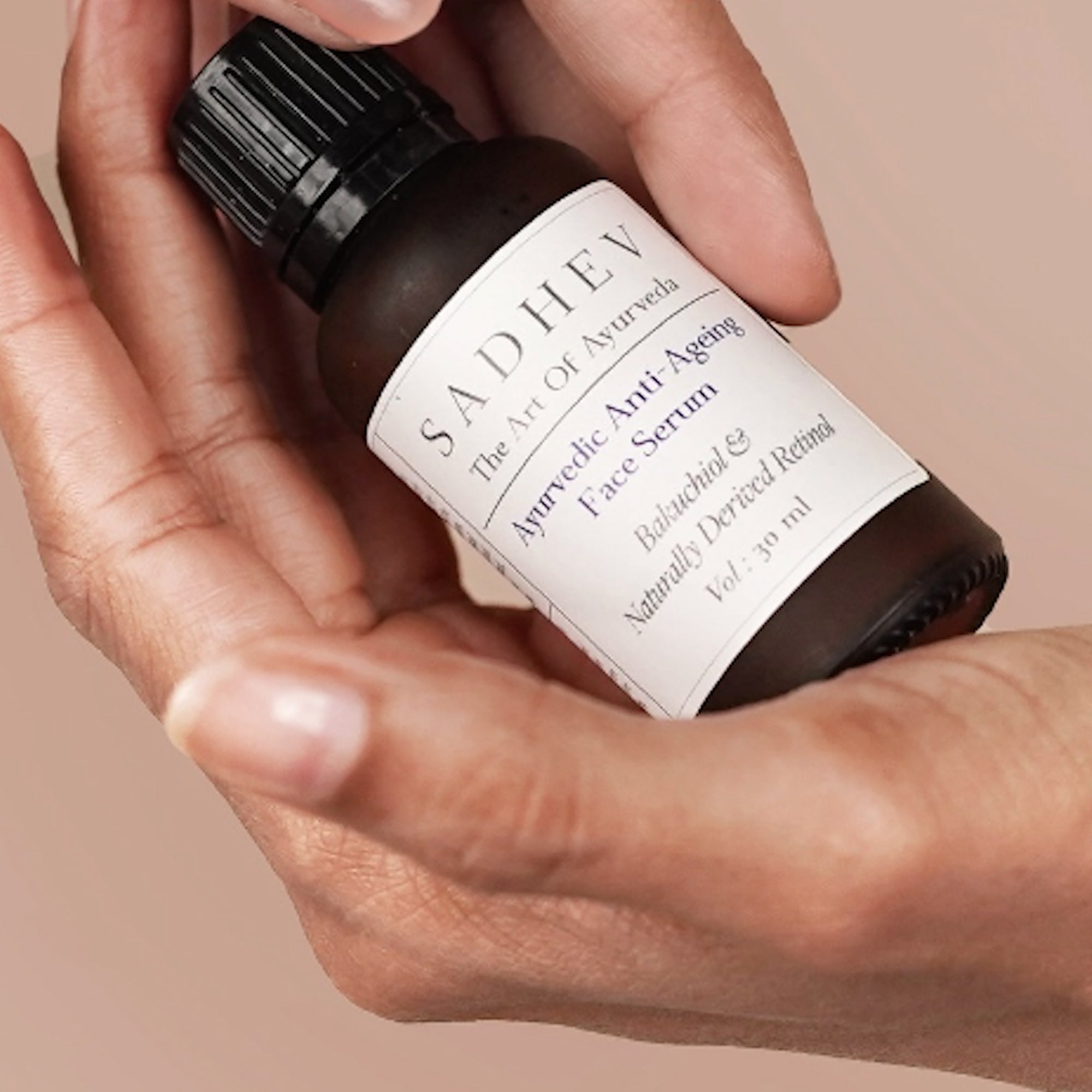
Anti-Ageing Face Serum or Vitamin C, alternating |
Winter is when consistent treatment use matters most |
|
Moisturise |
Rejuvenating Night Cream — generous layer |
The richest step of the routine; do not underapply in winter |
|
Night oil |
Kumkumadi Tailam — 5 to 7 drops, slightly more than other seasons |
Increased Snehana need; oil penetration is the winter essential |
Kumkumadi Tailam’s role becomes more central in winter, not less. The saffron, sandalwood and vetiver triad already provides the richest, most penetrating format in the SADHEV range — in winter, increasing the amount very slightly (five to seven drops rather than three to five) and ensuring it is pressed in rather than swept on gives the Vata-depleted skin barrier the sustained lipid contact it specifically needs through the coldest, driest months.
The Winter Lip and Under-Eye Additions
Lips and the under-eye area — already the thinnest, most vulnerable skin on the face — are hit hardest by winter’s dryness. Both areas deserve deliberate winter attention that summer and monsoon routines can sometimes treat as optional.
▸ Lip Sleeping Mask every single night through winter without exception — lips that go one night without treatment in winter can visibly regress by morning given how fast winter air pulls moisture from unprotected lip skin.
▸ Under Eye Gel both morning and evening in winter rather than evening-only — the thin under-eye skin shows winter dehydration as fine lines and dullness faster than any other area.
The Winter Body Routine
Body skin experiences winter dryness even more severely than face skin, because it receives a fraction of the routine attention and is directly exposed to the daily hot shower that strips its barrier.
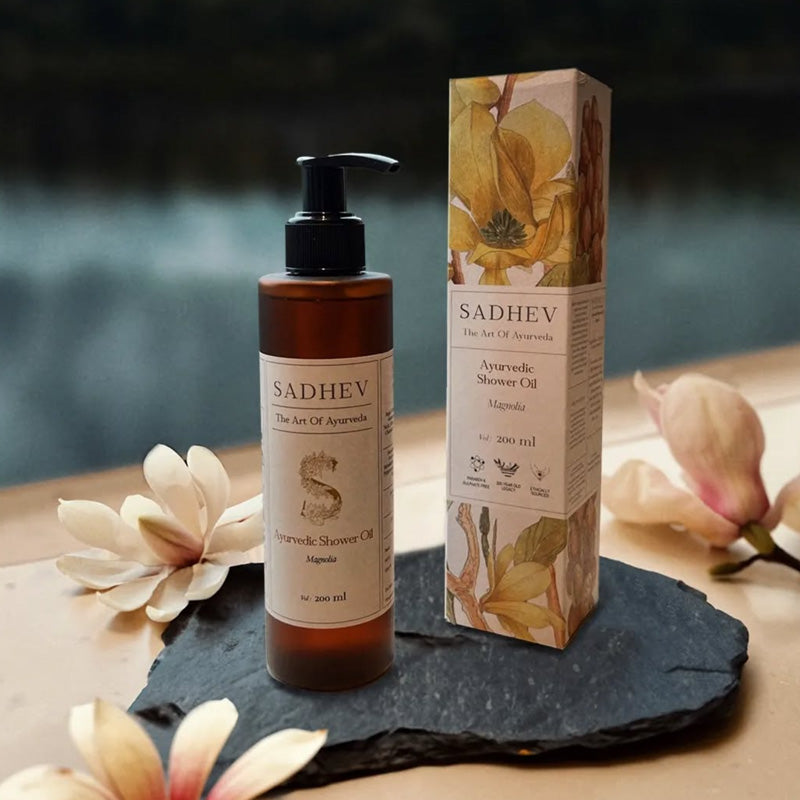
▸ Switch to Coconut Shower Oil for the entire winter season, regardless of your usual skin type or bathing bar preference. The emulsification cleansing mechanism is the only format in the SADHEV range gentle enough to avoid compounding winter’s barrier stress, and it actively deposits nourishing lipids during the wash itself.
▸ Lower the shower water temperature as much as tolerable. Hot water feels good in winter and does the most damage — this is the single hardest habit to change and the one with the biggest impact.
▸ Apply Herbal Body Lotion immediately on damp skin, and consider a second, lighter reapplication before bed on the driest areas — shins, elbows, hands — which is not necessary in other seasons but genuinely helps in winter.
▸ Reduce Sea Salt Body Scrub to once weekly rather than twice — winter skin has less barrier reserve to spare, and over-exfoliating compounds dryness rather than revealing healthier skin beneath.
The Winter Hair Routine
Hair and scalp experience the same Vata-driven dryness as skin — static, flyaways, and a dry, sometimes flaking scalp that gets mistaken for dandruff but is actually simple winter dehydration.
▸ Increase pre-wash oiling frequency — every wash without exception in winter, where it might be occasional in other seasons. Massage in for a full five minutes; the scalp needs the circulation stimulation as much as the lipid nourishment.
▸ Reduce wash frequency slightly if the scalp allows — twice weekly rather than three times — since washing itself is a drying event and winter scalp has less to spare.
▸ Anti-Frizz Leave-In Hair Serum becomes essential rather than optional in winter — static and flyaways from dry air and wool clothing are a distinctly winter hair problem that the serum directly addresses.
What Does Not Change in Winter
Sunscreen remains completely non-negotiable. This is the most commonly abandoned winter habit and one of the most damaging — UV radiation does not reduce meaningfully with temperature, and reflection off any bright winter conditions or hill-station snow can intensify exposure. Skipping sunscreen because it is cold is treating a temperature sensation as a UV indicator, which it is not.
Cleansing frequency also should not change — the temptation to under-cleanse because skin feels dry is understandable but counterproductive. The answer to winter dryness is a gentler cleanser and more moisture afterward, not less cleansing.
|
“Winter changes the richness and intensity of the routine. It does not change the fundamentals — cleanse, tone, treat, moisturise, protect remain exactly as essential as any other season.” |
The Realistic Timeline
▸ Days one to five: Reduced tightness and immediate comfort improvement from switching to gentler cleansing and richer, more consistent moisturising.
▸ Weeks one to three: Visible reduction in flaking and rough texture as the barrier begins rebuilding under consistent Snehana-focused care.
▸ Weeks three to six: Meaningfully more resilient skin that tolerates the winter environment without daily discomfort — the goal is not eliminating winter’s effect entirely but building enough barrier reserve that it does not compound week over week.
For the complete guide to identifying your dosha skin type and understanding why winter intensifies Vata specifically: see our dosha skin type guide.
For the complete guide to how Kumkumadi Tailam’s saffron, sandalwood and vetiver formulation works and why the oil format matters most in the driest months: see our Kumkumadi Tailam guide.
For the complete year-round Ayurvedic ritual across face, hair and body, including how each season shifts the same foundational routine: see our complete SADHEV ritual guide.
SADHEV. Luxury Ayurvedic Care. Ayurveda in our bloodline.
Explore the complete SADHEV range built for winter’s Vata season.
— Written by SADHEV Ayurvedic Experts, rooted in a 200-year vaidyar lineage.


