




Soaking fresh rose petals in water overnight, or gently simmering them before straining, is one of the gentlest and most widely practised homemade beauty rituals in Indian households — the resulting pink-tinted water used as a refreshing toner, a base for face packs, or simply splashed on tired skin at the end of a hot day. It feels intuitive precisely because it is: rose petals clearly carry fragrance and colour into the water, so it seems obvious that whatever makes roses beneficial for skin should transfer the same way.
This is the one pairing in the series where the gap between the homemade version and the formulated one is less about degradation over time and more about a fundamental difference in extraction method — and understanding that difference explains exactly why SADHEV Rose Water is steam-distilled rather than simply steeped.
|
“Soaking rose petals in water gives you fragrance and colour. Steam distillation gives you the actual therapeutic compounds. Those are not the same water.” |
What Homemade Rose Water Gets Right
Rose petals do genuinely contain beneficial compounds — flavonoids and terpenes with documented anti-inflammatory action, alongside the aromatic phenylethyl alcohol responsible for rose’s characteristic scent. Soaking or gently simmering petals does transfer some of this into the water, along with the pink pigment that makes the result visually appealing. The ritual itself — pausing to prepare something calming from a flower rather than reaching for a bottle — also carries a genuine, if less measurable, value that should not be dismissed.
Where Soaking or Simmering Falls Short
The problem is one of extraction efficiency rather than degradation. Many of rose’s most therapeutically relevant compounds — particularly the more complex terpenes and a meaningful share of the phenylethyl alcohol — are only released efficiently from the plant material through steam distillation, a process that uses pressurised steam to draw out volatile compounds that simple soaking in room-temperature or even simmered water cannot access to the same degree. A homemade infusion transfers a fraction of what steam distillation extracts, which is precisely why store-bought rose water and a bowl of petals left in water for a few hours are not chemically equivalent, however similar they may look and smell.
Simmering the petals, a common variation, introduces its own trade-off — heat can improve extraction of some compounds while degrading others, and without controlled temperature and pressure, there is no reliable way to know which effect dominates in a given kitchen batch. The result is a preparation with real but inconsistent and comparatively dilute rose chemistry, alongside the same contamination risk within a few days that applies to any preservative-free liquid, as covered in our homemade beauty overview.
Why SADHEV Rose Water Is Steam-Distilled
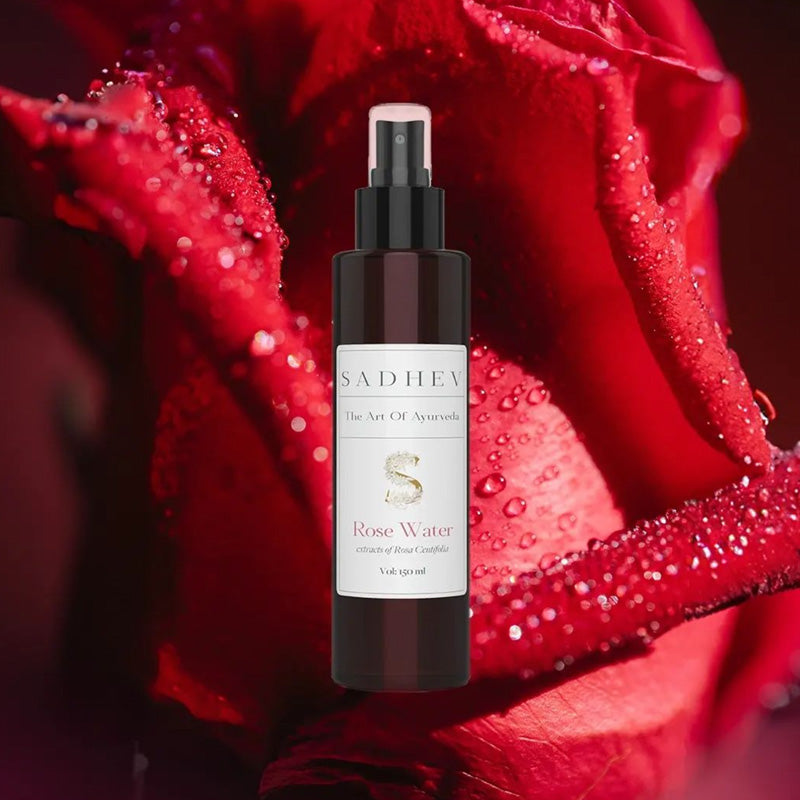
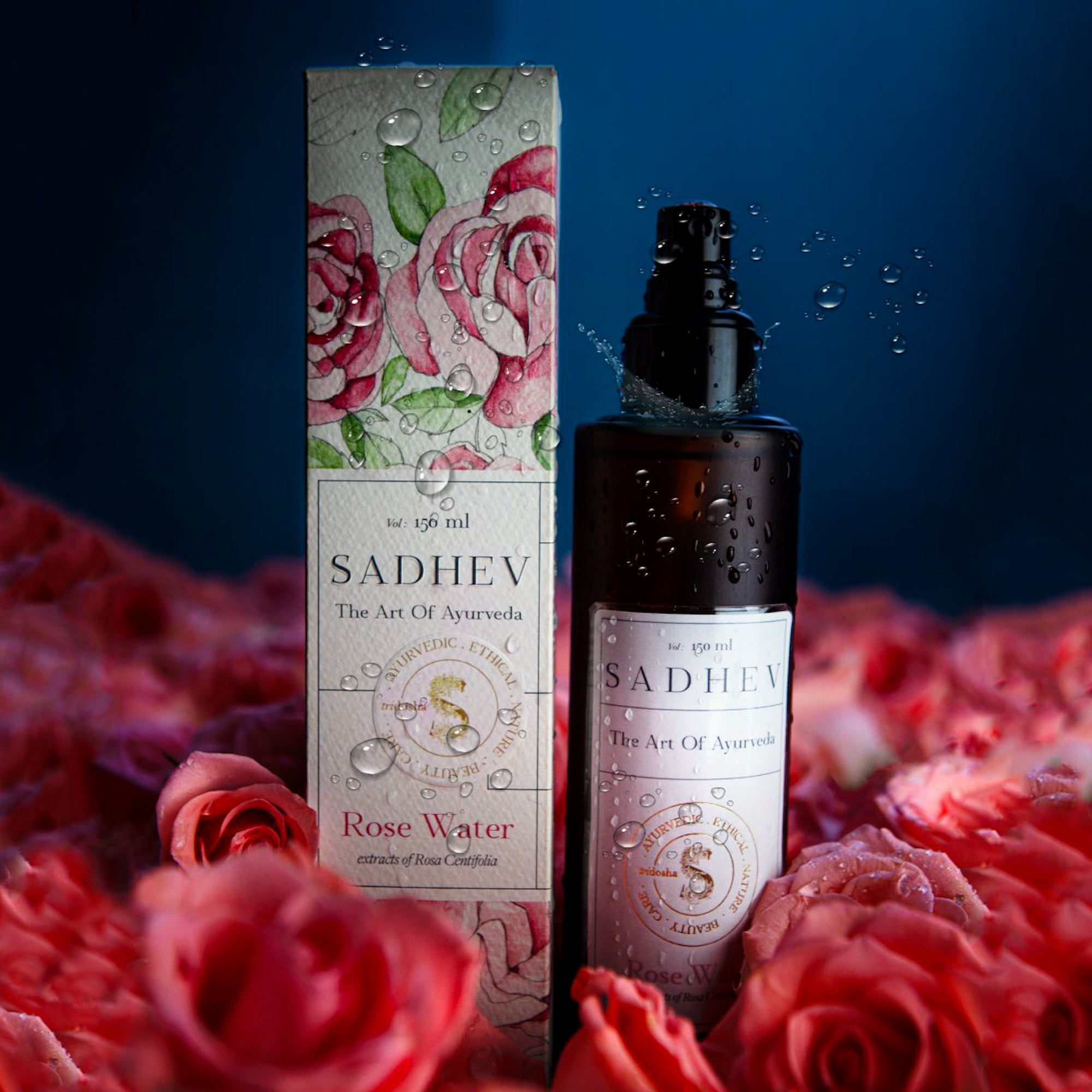
SADHEV Rose Water is produced through genuine steam distillation of Centifolia rose petals — the process that efficiently draws out the flavonoids, terpenes and phenylethyl alcohol that a simple soak or simmer largely leaves behind in the spent petals. This is the same extraction principle covered in detail in our complete Rose Water guide, and it is the entire reason the finished product delivers meaningfully more of rose’s actual anti-inflammatory and pH-restoring benefit than a homemade infusion of the same flowers.
The Centifolia variety specifically is chosen because it yields a higher concentration of these compounds under steam distillation than more commonly used varieties, and the process itself is standardised, meaning every bottle of SADHEV Rose Water delivers a consistent concentration rather than the batch-to-batch variability of a home infusion.
The Honest Comparison
|
|
Homemade Rose Water |
SADHEV Rose Water |
|
Extraction method |
Soaking or simmering petals in water |
Steam distillation |
|
Compound extraction efficiency |
Partial — many active compounds remain in the petals |
High — designed specifically to draw out volatile actives |
|
Fragrance |
Present, but fades quickly |
Present, more concentrated and longer-lasting |
|
Consistency |
Varies by petal freshness, water ratio and steeping time |
Standardised extraction, consistent every batch |
|
Shelf stability |
Days, before contamination risk sets in |
Formulated for extended, stable use |
|
pH restoration benefit |
Present but diluted |
Full concentration, as documented for genuine steam-distilled rose water |
If You Still Want to Make Rose Water at Home
For anyone who wants to keep the ritual, a few adjustments improve the result meaningfully. Use fresh, pesticide-free rose petals — ideally from a plant you know has not been chemically treated, since petals bought from flower markets are frequently sprayed. Simmer gently rather than boiling vigorously, using just enough water to cover the petals, and cover the pot to reduce the loss of aromatic compounds as steam escapes. Strain thoroughly and refrigerate immediately, using the result within three to four days rather than storing it longer. This will not replicate genuine steam distillation, but it improves extraction meaningfully over a simple cold soak.
For the complete guide to identifying your dosha skin type, since Pitta-dominant skin benefits most directly from rose water’s cooling, anti-inflammatory action: see our dosha skin type guide.
For the complete CTM routine and exactly where rose water fits as the toning step: see our CTM guide.
SADHEV. Luxury Ayurvedic Care. Ayurveda in our bloodline.
Experience SADHEV steam-distilled Rose Water — the extraction your rose petals could not do at home.
— Written by SADHEV Ayurvedic Experts, rooted in a 200-year vaidyar lineage.


