




The under-eye area is the most frequently complained about and the most frequently mistreated part of the face. People apply the same products they use on the rest of the face, use the wrong application technique, choose products with ingredients too heavy or too active for this specific skin, and then wonder why their dark circles remain unchanged after months of effort.
The under-eye area requires a different approach from the rest of the face — different ingredients, different application technique and different expectations. It also requires an accurate diagnosis of what is actually causing the concern, because dark circles, puffiness and fine lines under the eye each have distinct causes that respond to different interventions. Treating pigmentation-based dark circles with anti-puffiness ingredients produces no result. Treating vascular dark circles with brightening actives produces no result. Getting the diagnosis right is the starting point.
This guide covers all three under-eye concerns, how to identify which type or combination you have, what the Ayurvedic ingredients that address each one are, and the correct application technique that makes the difference between an under-eye product that works and one that produces no visible change.
|
“The under-eye area is the most photographed part of the face and the most consistently misdiagnosed. The treatment depends entirely on the cause — and the three causes look nearly identical.” |
Why the Under-Eye Area Is Different
The skin under the eye is the thinnest skin on the face — approximately 0.5mm compared to 2mm elsewhere. This thinness has three practical consequences for skincare.
First, the skin is more translucent, which means the structures beneath it — blood vessels, fat pads, bone — are more visible. Much of what looks like dark circles is actually the shadow and colour of these underlying structures showing through the thin skin surface, not pigmentation in the skin itself.
Second, the skin is more delicate and more reactive than the rest of the face. Harsh ingredients, heavy textures and aggressive application techniques that the cheek or forehead tolerates without reaction can cause milia — small white keratin cysts — inflammation and sensitivity under the eye. Products designed for the rest of the face are often too heavy or too active for under-eye application.
Third, the under-eye skin has minimal sebaceous glands — almost no natural oil production — which makes it particularly susceptible to dryness and the fine lines that dehydration causes. Without a dedicated moisturising step, the under-eye skin dries faster than any other area of the face.
The Three Types of Under-Eye Concern and How to Identify Yours
Type 1 — Pigmentation Dark Circles
The dark mark is in the skin itself — excess melanin in the under-eye skin producing a flat, brownish discolouration. Pinch the skin gently and lift it slightly. If the darkness lifts with the skin, it is pigmentation.
Causes: UV exposure on the thin under-eye skin — which produces melanin overproduction more readily than thicker facial skin. Post-inflammatory hyperpigmentation from rubbing, allergic reactions or repeated inflammation. Genetic predisposition to under-eye pigmentation — common in Indian and South Asian skin tones with higher baseline melanin reactivity.
Treatment approach: Tyrosinase inhibition — the same approach used for facial dark spots. Liquorice extract, Vitamin C and kojic acid reduce the excess melanin production. Daily sunscreen around the eye prevents UV from driving continued melanin overproduction. Results in 6 to 12 weeks with consistent treatment.
Type 2 — Vascular Dark Circles
The bluish-purple tint from blood vessels showing through the thin under-eye skin. The darkness does not lift when you pinch and move the skin — it stays in place because it is coming from beneath the skin, not from the skin itself.
Causes: The under-eye vasculature is naturally more visible in people with thinner under-eye skin, lighter skin tones or reduced under-eye fat pad volume. Poor sleep, dehydration, alcohol and sodium-heavy diets all cause blood vessel dilation that makes the vessels more visible. Chronic nasal congestion from allergies also increases venous pooling under the eye.
Treatment approach: Improving microcirculation, reducing vascular dilation and increasing the fullness of the skin above the vessels. Caffeine, vitamin K and peptides address the vascular component topically. Cold compresses reduce vessel dilation acutely. Sleep, hydration and allergy management address the root causes. Topical treatment produces modest improvement — lifestyle factors matter more for this type than for pigmentation circles.
Type 3 — Structural Dark Circles
Not dark circles at all in the clinical sense — shadowing caused by hollowness or the orbital bone structure creating a shadow below the eye. The colour is not in the skin or the vessels. It is a shadow effect produced by the three-dimensional structure of the face.
Causes: Loss of under-eye fat pad volume with age. Genetics — the prominence of the orbital bone and the depth of the tear trough vary significantly by individual and family. Dehydration and weight loss can make structural hollowness more pronounced.
Treatment approach: No topical product addresses structural hollowness — the shadow is three-dimensional and cannot be treated with skincare. Adequate hydration reduces the severity of the effect. Beyond that, this is a concern for dermal filler rather than skincare. Identifying this type early prevents the frustration of months of under-eye product application that produces no result.
|
“Most people have a combination of two of the three types. Identifying which combination directs the treatment correctly and prevents wasted effort on the wrong interventions.” |
The Ayurvedic Approach to Under-Eye Care
Classical Ayurveda addresses under-eye concerns through the twin principles of Pitta reduction — cooling the inflammatory and vascular heat that drives dark circles and puffiness — and targeted nourishment of the delicate under-eye skin that prevents the dehydration and thinning that make every under-eye concern worse.
The specific Ayurvedic herbs documented for under-eye care address the three types simultaneously through complementary mechanisms — tyrosinase inhibition for pigmentation, microcirculation improvement for vascular circles, and deep hydration and barrier support for the structural thinning that makes both types more visible.
The Key Ingredients in Ayurvedic Under-Eye Care
Cucumber — Soothing and Anti-Puffiness
Cucumber contains caffeic acid and ascorbic acid that reduce water retention and decrease swelling around the eye. The cooling action of cucumber reduces vascular dilation and the puffiness driven by fluid accumulation in the loose under-eye tissue — the tissue under the eye has the most lax connective structure on the face, which is why it swells most visibly with fluid retention from sleep, sodium, alcohol or allergies.
Cucumber's high water content and mild astringent compounds also provide immediate cooling and tightening that reduce the visible puffiness within minutes of application. This is the most rapidly effective component for acute morning puffiness.
Rose — Anti-Inflammatory and Toning
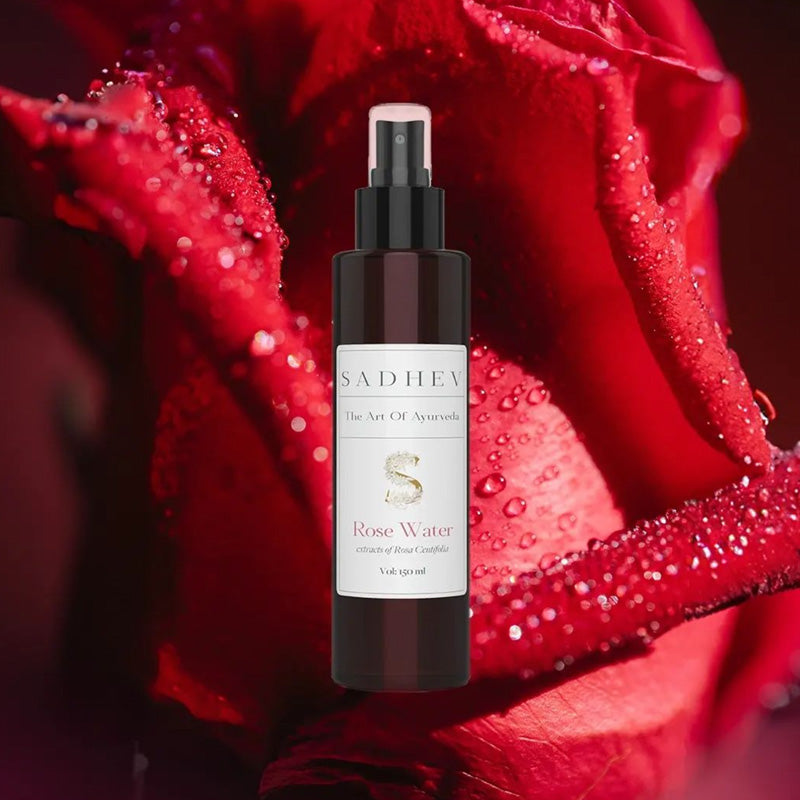
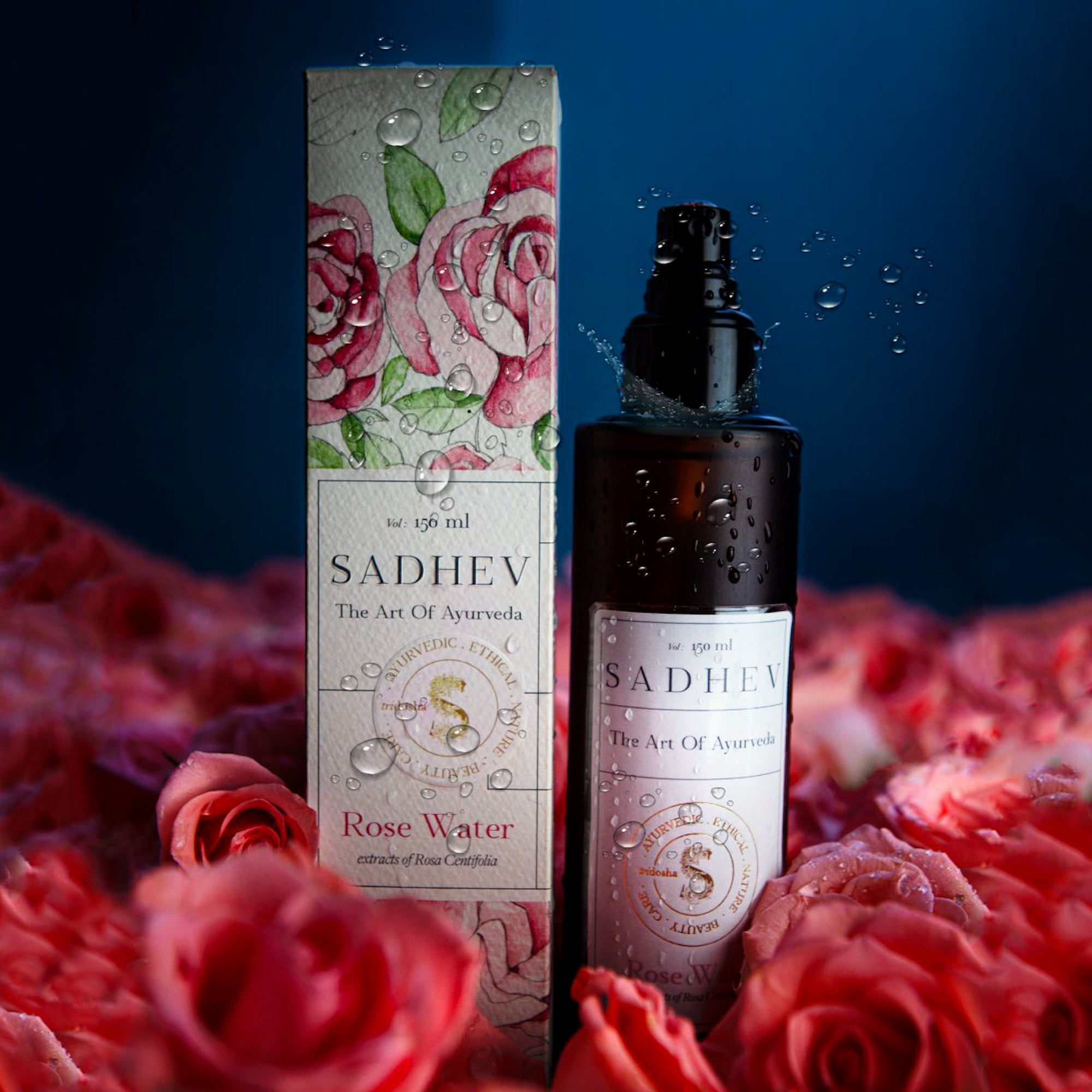
Steam-distilled rose water's flavonoids and terpenes provide anti-inflammatory action that reduces the inflammation driving both vascular dilation and post-inflammatory pigmentation under the eye. For under-eye skin that is reactive from rubbing, allergies or product sensitivity — a common contributor to under-eye pigmentation — rose's consistent anti-inflammatory action progressively reduces the inflammatory load that is driving continued melanin production.
Rose also provides gentle astringent toning that slightly firms the under-eye skin surface — producing a more rested, refreshed appearance that is relevant to all three types of under-eye concern.
Liquorice — Tyrosinase Inhibition for Pigmentation
Liquorice extract contains glabridin — one of the most extensively documented natural tyrosinase inhibitors. Applied consistently to the under-eye area, it inhibits the melanin overproduction that causes and maintains pigmentation dark circles. Glabridin is gentle enough for daily use on even the most sensitive skin — an important characteristic given the thin, reactive nature of under-eye skin where stronger brightening actives like high-concentration Vitamin C can cause irritation.
The brightening effect of liquorice on under-eye pigmentation is cumulative — it becomes visible at six to eight weeks of consistent daily application and continues to improve with ongoing use.
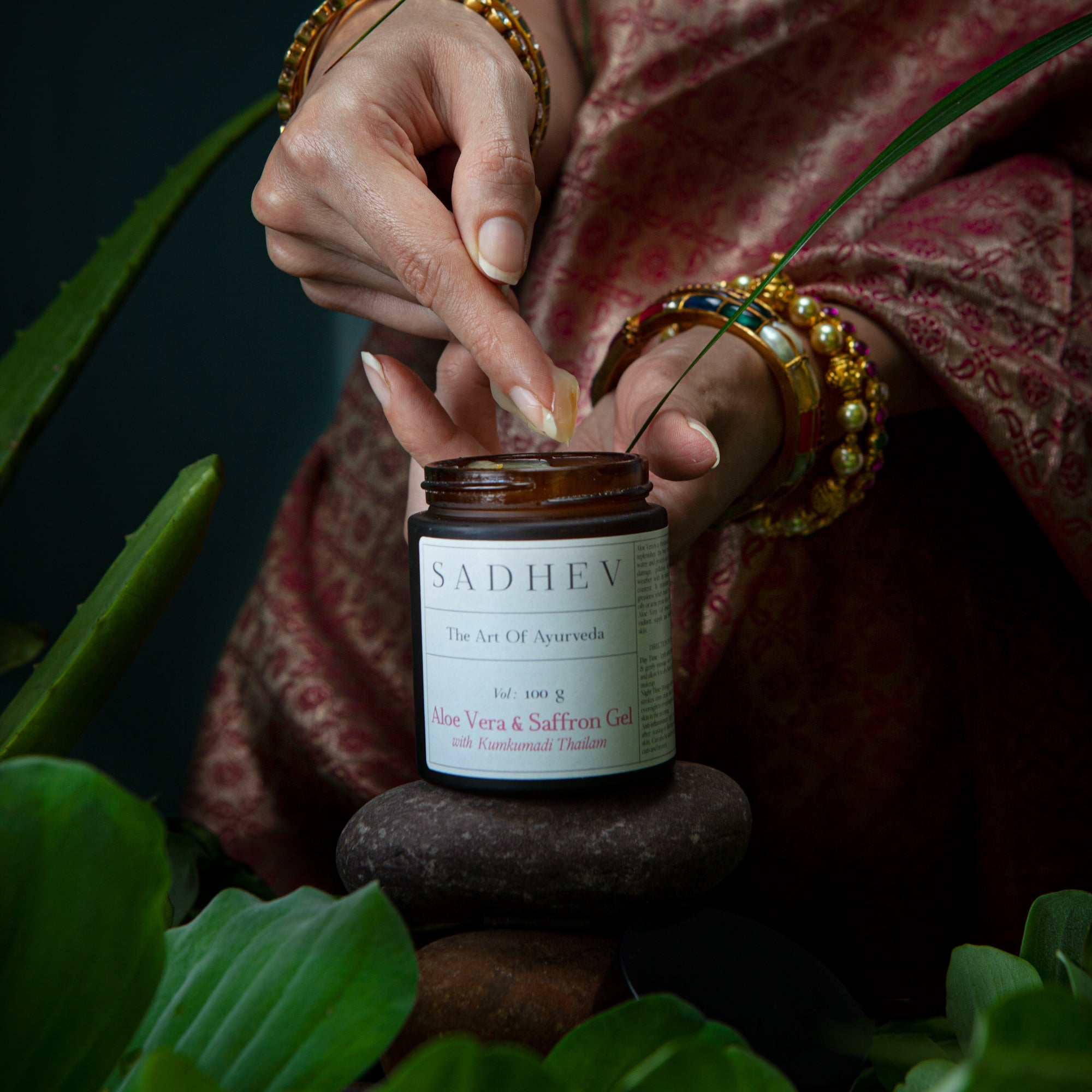
Aloe Vera — Deep Hydration and Barrier Support
Aloe vera's humectant compounds draw moisture to the under-eye skin surface and retain it — addressing the dehydration that makes under-eye fine lines more visible and that makes both pigmentation and vascular circles more pronounced. Well-hydrated under-eye skin is plumper, more reflective and more even in tone than dehydrated under-eye skin regardless of the underlying type of dark circle.
Aloe's anti-inflammatory acemannan compounds also reduce the low-grade under-eye inflammation that is one of the least-addressed contributors to persistent dark circles across all three types.
SADHEV Ayurvedic Under Eye Gel
SADHEV Ayurvedic Under Eye Gel combines cucumber, rose, liquorice and aloe vera in a lightweight gel texture specifically formulated for the thin, reactive under-eye skin. The gel texture is the correct format for under-eye application — light enough not to produce the milia that heavier creams cause when applied too close to the eye, absorbent enough to deliver its active compounds through the thin skin to the vessels and structures beneath.
The four ingredients address all three types of under-eye concern simultaneously. Cucumber for puffiness and acute tightening. Rose for anti-inflammatory action that reduces pigmentation drivers and vascular inflammation. Liquorice for tyrosinase inhibition that directly addresses melanin-based dark circles. Aloe vera for deep hydration that makes all three types less visible by plumping the skin above them.
The Application Technique — The Detail That Determines Results
The most common mistake in under-eye product application is rubbing. The under-eye area is pulled, dragged and rubbed during product application and makeup removal more than any other area of the face. This repeated mechanical trauma stretches the lax under-eye connective tissue, worsens the hollowness that creates structural shadows, and generates the inflammation that drives post-inflammatory pigmentation. It is a significant contributor to worsening under-eye concerns over time.
The correct application technique is tapping — not rubbing. Apply a small amount of under-eye gel — a pea-sized amount is sufficient for both eyes — to the ring finger. The ring finger is correct because it produces the least pressure of any finger, making over-pressing the skin impossible. Tap gently along the orbital bone from the inner corner of the eye to the outer corner and continuing slightly upward to the brow bone. Do not press directly on the thin skin directly below the lash line or on the eyelid itself.
The tapping motion stimulates microcirculation in the under-eye area — improving the blood flow that reduces vascular pooling and the lymphatic drainage that reduces puffiness — while delivering the active ingredients through the skin without the mechanical trauma of rubbing.
Allow the gel to absorb fully before applying eye makeup. Under eye gel is the last skincare step before makeup on the eye area — applied after moisturiser and before primer or concealer.
When to Apply
Evening application is the primary recommendation for under-eye care. The skin's repair cycle peaks during sleep and the under-eye area benefits most from the consistent overnight delivery of liquorice and aloe compounds during this repair window. For people with severe dark circles or persistent puffiness, morning application in addition to the evening application accelerates the cumulative effect.
Morning-only application is appropriate for people whose primary concern is puffiness rather than pigmentation — the cucumber's acute anti-swelling action is most beneficial at the moment of greatest under-eye puffiness, which is typically upon waking.
For the comprehensive under-eye approach recommended in the SADHEV evening routine, apply under-eye gel after the night cream has absorbed and before Kumkumadi Tailam as the final face step.
Lifestyle Factors That Matter More Than Any Product
Sleep quality is the most significant determinant of under-eye appearance and the factor most resistant to topical compensation. Consistently sleeping less than seven hours produces measurable increases in vascular dilation and fluid accumulation under the eye. No under-eye product compensates for chronic sleep deficit.
Salt intake. High dietary sodium causes water retention systemically, with the loose under-eye tissue being among the first areas to show visible fluid accumulation. Reducing sodium in the evening meal before sleep produces visible puffiness improvement the following morning.
Allergy management. Chronic nasal congestion from allergies is one of the most consistent and least recognised causes of dark circles and puffiness — the venous pooling that congestion drives is directly visible through the thin under-eye skin. Addressing the allergy addresses the circles.
Sunscreen around the eye. UV exposure on the under-eye skin drives the melanin overproduction that causes and maintains pigmentation dark circles. A mineral sunscreen applied carefully to the orbital bone area — not into the eye but following the orbital bone contour — every morning prevents the daily UV contribution to under-eye pigmentation that topical treatment cannot outpace.
Realistic Timeline
▸ Weeks one to two: Reduced morning puffiness with consistent evening application and improved sleep habits. The cucumber and rose action produces the fastest visible change.
▸ Weeks four to six: Reduced redness and reactivity around the eye as rose's consistent anti-inflammatory action lowers the inflammatory load.
▸ Weeks six to ten: Visible fading of pigmentation-based dark circles as liquorice inhibits tyrosinase and the skin's natural turnover cycle replaces pigmented cells with unpigmented ones.
▸ Months three to six: Cumulative improvement across all three types — reduced puffiness, lighter pigmentation and plumper, better-hydrated under-eye skin that makes vascular circles less visible. Structural circles remain unchanged but the skin above them is in better condition.
For the complete evening skincare ritual including the correct placement of under-eye gel within the full routine sequence: see our complete SADHEV ritual guide.
For the complete guide to how rose water's anti-inflammatory action complements the under-eye gel when used as a toner before application: see our rose water guide.
For the complete guide to skin tone and pigmentation — the same melanin-reduction principles that apply to under-eye dark circles apply to facial pigmentation: see our pigmentation guide.
SADHEV. Luxury Ayurvedic Care. Ayurveda in our bloodline.
Experience SADHEV Ayurvedic Under Eye Gel — cucumber, rose, liquorice and aloe vera for dark circles and puffiness.
— Written by SADHEV Ayurvedic Experts, rooted in a 200-year vaidyar lineage.


