



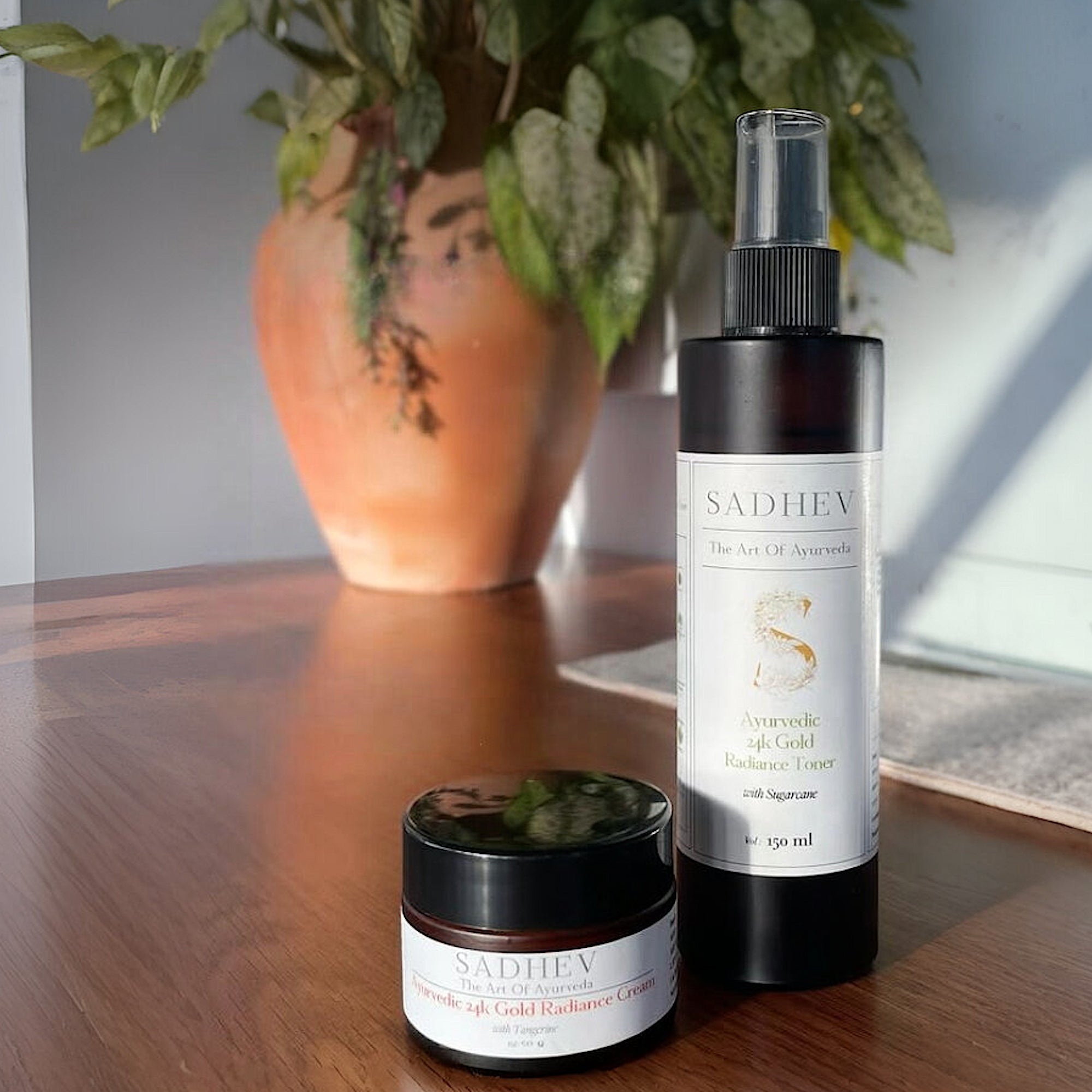
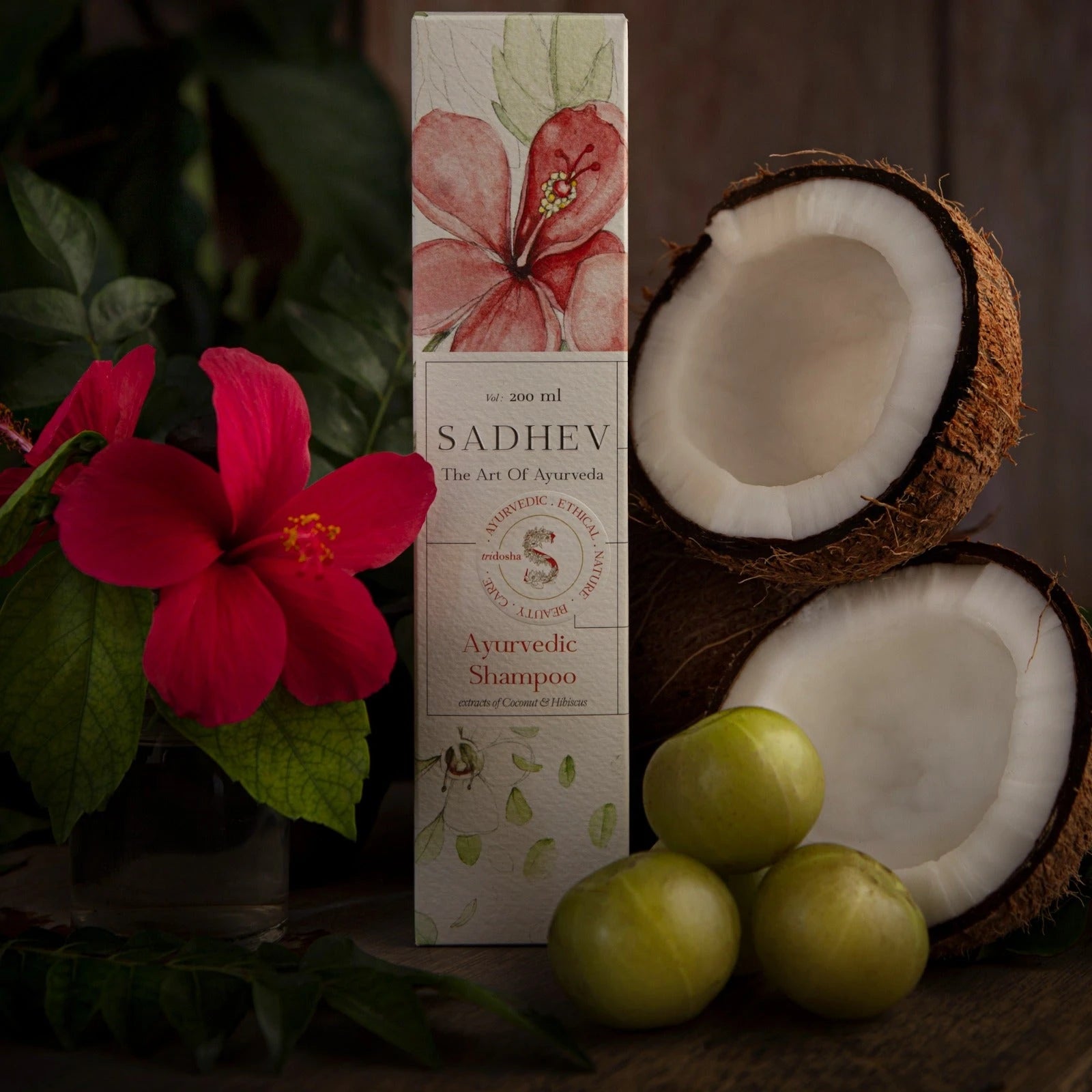

Acne is a multi-factorial condition. A breakout visible on the skin surface is the end result of a process that begins much earlier — excess sebum production, follicle congestion, bacterial overgrowth and the inflammatory response that follows. Treating the breakout with a spot treatment addresses the end of this chain. Ayurveda addresses the beginning.
The Ayurvedic approach to acne is not to suppress the breakout. It is to restore the conditions of the skin that allow follicles to function normally, sebum to flow freely and the skin's natural microbiome to remain in balance. This approach produces results that are slower than a benzoyl peroxide treatment but more durable — because the skin's conditions have changed, not just the visible symptom.
|
“The breakout is the last step of a process. Ayurveda intervenes at the first step — the imbalance that creates the conditions for the breakout to form.” |
The Ayurvedic Understanding of Acne
Classical Ayurveda classifies acne under Mukhadushika — a condition primarily of Pitta and Kapha imbalance. Pitta drives the inflammation, heat and sensitivity that make breakouts severe and leave marks. Kapha drives the excess sebum production and follicle congestion that create the environment in which acne forms. Most acne presentations involve both doshas to varying degrees.
The Ayurvedic approach uses cooling, anti-inflammatory herbs to address the Pitta component and astringent, clarifying herbs to address the Kapha component. The goal is not to dry the skin aggressively — which triggers rebound oiliness and worsens the Pitta inflammation — but to gently restore balance to both sebum production and inflammatory response simultaneously.
What the Skin Needs — And What It Does Not
The most common error in acne skincare is over-stripping. Harsh cleansers, alcohol-based toners and aggressive exfoliants remove sebum from the surface but damage the skin barrier and trigger compensatory sebum overproduction. The skin produces more oil to compensate for what was removed. Breakouts increase. The cycle continues.
Ayurveda never used stripping cleansers. Classical formulations for acne-prone skin used gentle botanical cleansers, cooling toners and lightweight non-comedogenic oils — the logic being that a well-nourished, well-balanced skin barrier is less prone to the follicle congestion that causes acne than a stripped, reactive one.
The SADHEV Approach to Acne-Prone Skin
Cleanse — Gentle, Without Stripping
The face cleanser for acne-prone skin must cleanse effectively without stripping. SADHEV's face cleansers are formulated with botanical ingredients including Triphala, green tea and neem-adjacent botanicals that cleanse the pore without disrupting the skin barrier. Choose the cleanser variant suited to your skin type — the oily skin variant uses bakuchi oil, nutmeg and green tea; the combination skin variant uses Triphala and cucumber.
Moisturise — Lightweight and Non-Comedogenic
The step most often skipped in acne skincare is moisturiser. Acne-prone skin that is dehydrated produces more sebum to compensate — worsening the congestion that causes breakouts. A lightweight, non-comedogenic moisturiser that hydrates without blocking pores is not a contradiction for acne-prone skin. It is essential.
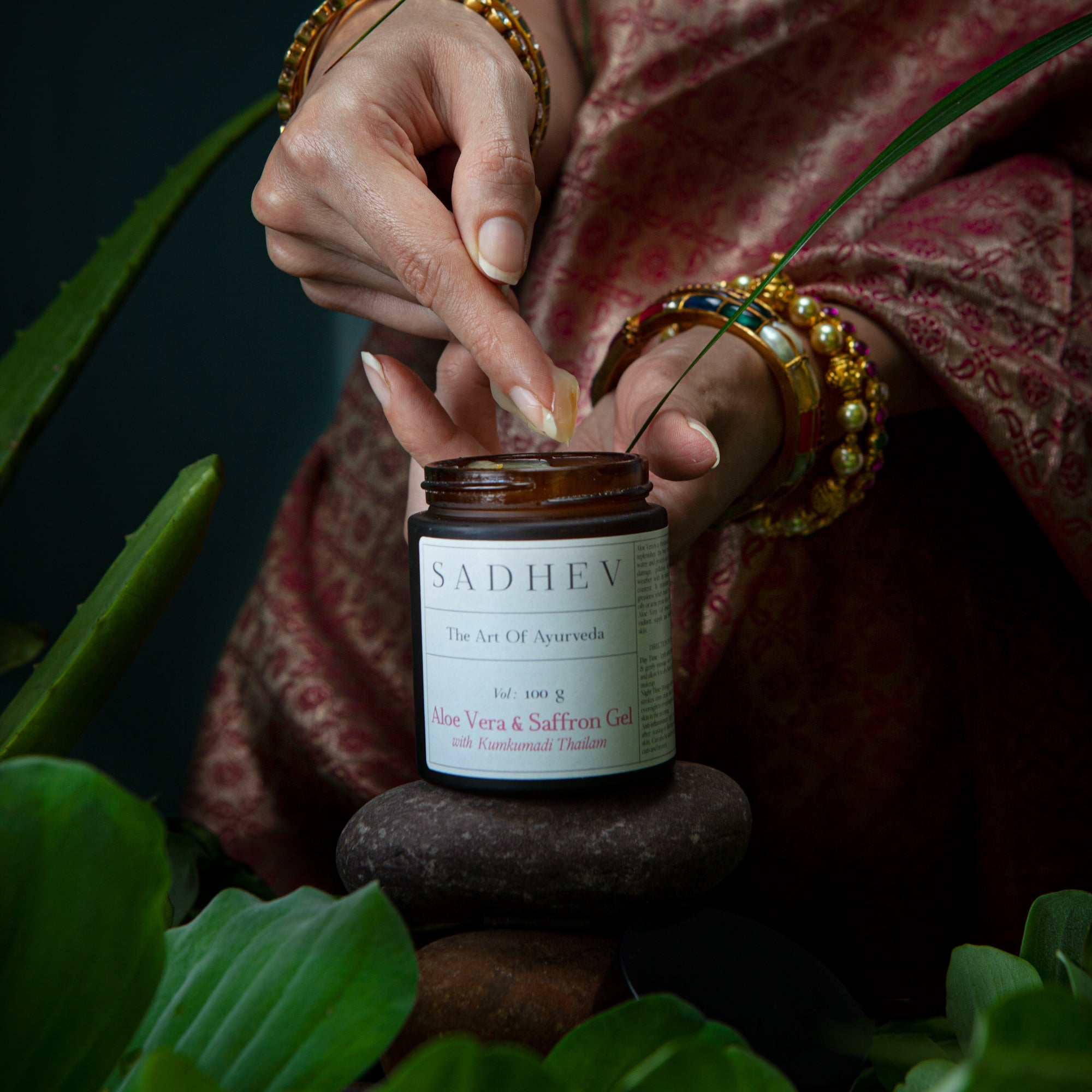
SADHEV Aloe Vera & Saffron Gel with Kumkumadi Tailam is a gel-texture moisturiser that provides the hydration acne-prone skin needs without heaviness or pore congestion. Aloe vera soothes and hydrates without occlusion. Saffron provides anti-inflammatory action that reduces the redness and sensitivity associated with active breakouts. Kumkumadi Tailam delivers its classical brightening and healing compounds in a lightweight oil that is non-comedogenic when used in the small concentrations present in the gel formulation.
Applied after cleansing and toning, SADHEV Aloe Vera & Saffron Gel with Kumkumadi Tailam hydrates, soothes and supports the skin barrier without feeding the congestion that causes breakouts.
Tone — Rose Water, Not Alcohol
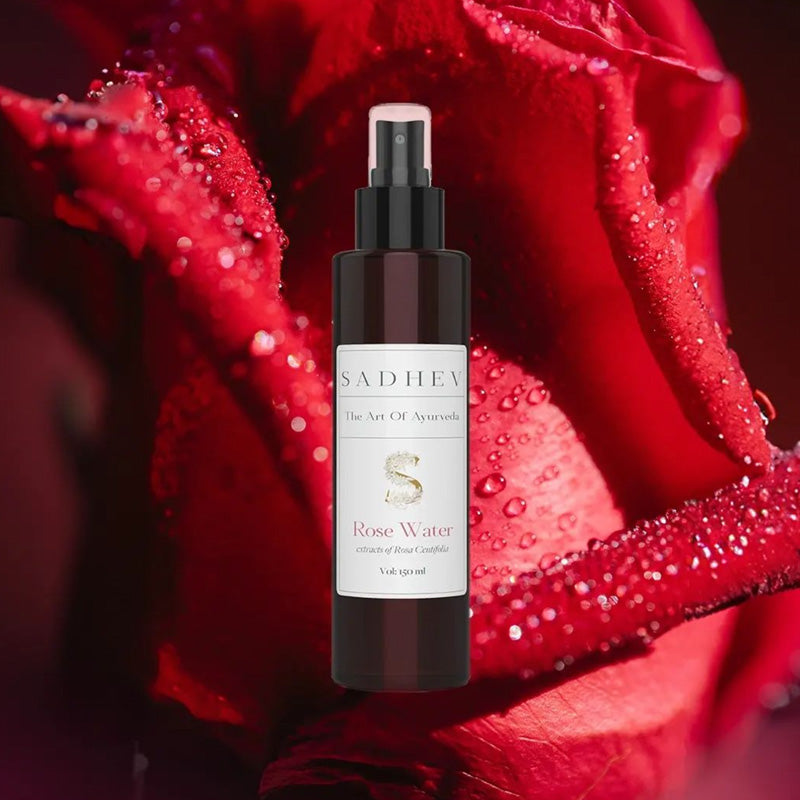
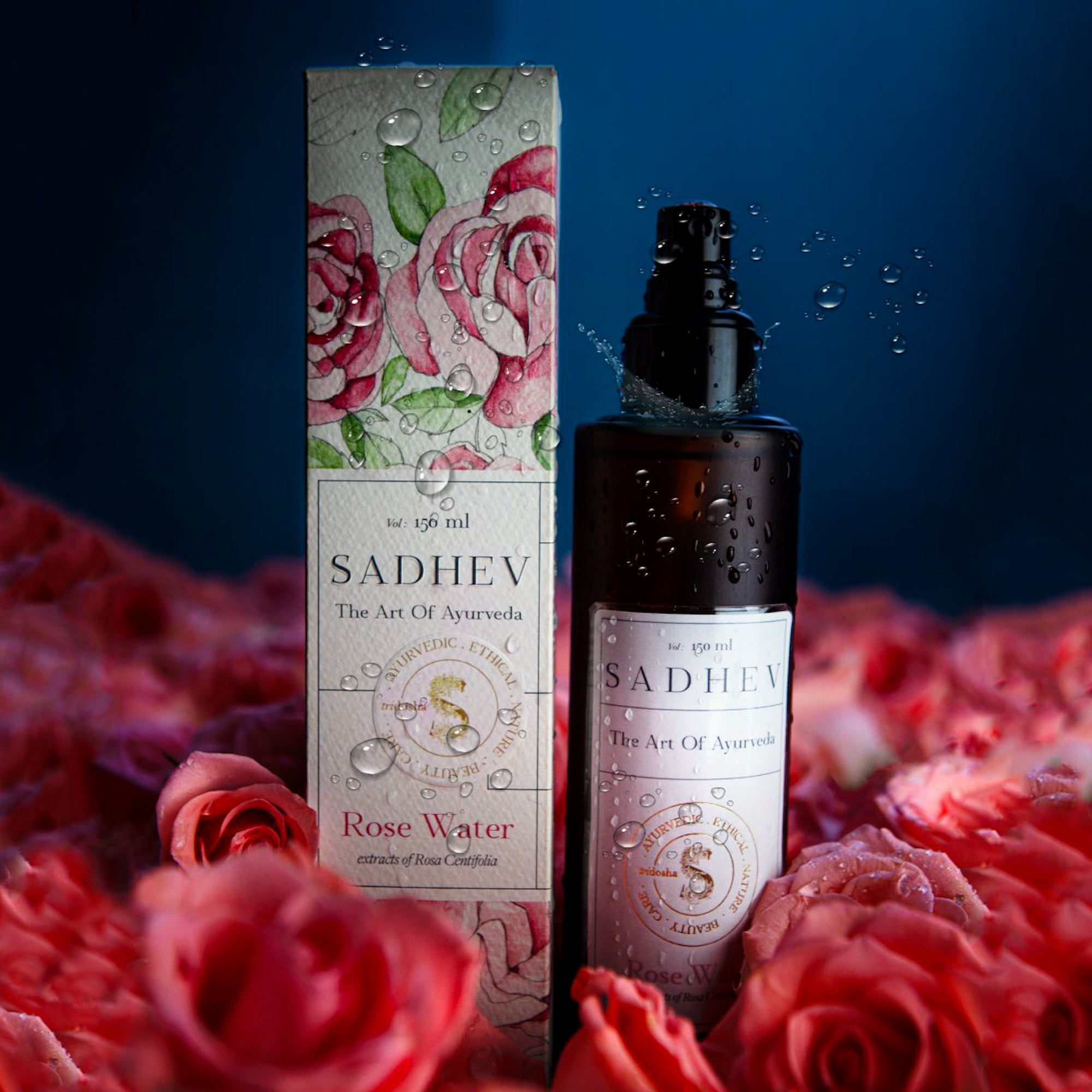
Toners for acne-prone skin should be alcohol-free. Alcohol-based toners provide an immediate sensation of pore-tightening but disrupt the skin barrier and trigger compensatory oil production. Steam-distilled rose water — naturally astringent, anti-inflammatory and pH-balancing — provides all the toning benefits without the barrier disruption. Applied after cleansing and before moisturiser, it prepares acne-prone skin for the products that follow without compromising its integrity.
Sunscreen — Especially for Post-Acne Marks
Post-acne pigmentation — the dark marks that remain after a breakout heals — is worsened significantly by UV exposure. Daily sunscreen is non-negotiable for anyone dealing with acne, not because it prevents breakouts but because it prevents the marks that breakouts leave from becoming permanent.
What to Expect
In the first two weeks, the skin calms. Less inflammation, less redness after washing. New breakouts may still form during this period as the skin adjusts. By weeks three to four, the frequency and severity of new breakouts typically reduces. By weeks six to eight, the skin is measurably more balanced, less reactive and producing fewer new breakouts.
For the complete Ayurvedic skincare routine showing how to sequence cleanser, toner, gel and sunscreen for acne-prone skin, see our complete Ayurvedic skincare routine guide.
For the glowing skin protocol that addresses the post-acne marks and pigmentation that often follow breakouts, see our guide on how to get glowing skin naturally with Ayurveda.
SADHEV. Luxury Ayurvedic Care. Ayurveda in our bloodline.
Begin the Ayurvedic acne routine with SADHEV Aloe Vera & Saffron Gel with Kumkumadi Tailam and SADHEV face cleansers. Explore the full SADHEV face care range.
— Written by SADHEV Ayurvedic Experts, rooted in a 200-year vaidyar lineage.


