




Bhringraj is called Kesharaj in classical Ayurveda. Translated directly, Kesharaj means King of Hair. It is not a casual attribution. In a tradition that named its most important herbs with precision and economy, this name represents a clear statement of documented clinical priority — among all the herbs available for hair health, bhringraj stands at the top.
Understanding why bhringraj holds this position requires looking at what the herb actually does at the level of the hair follicle, the scalp microenvironment and the hair shaft. The science that has emerged from modern research confirms what classical Ayurvedic practitioners documented across generations of observation — bhringraj addresses the root causes of hair loss and poor hair growth through multiple simultaneous mechanisms that no single synthetic compound replicates.
|
“Bhringraj — Kesharaj. King of Hair. In Ayurveda, a name is a clinical statement. This one has 5,000 years of practice behind it.” |
What Bhringraj Is
Bhringraj is the common name for Eclipta alba, also known as Eclipta prostrata — a flowering plant in the Asteraceae family found widely across India, particularly in moist, tropical regions. The plant produces small white flowers and thrives in areas with consistent moisture and warm temperatures. In Ayurvedic classification it is described as bitter and astringent in taste, light and dry in quality, and heating in action — properties that make it particularly effective for Kapha and Vata imbalances in the scalp.
The whole plant is used therapeutically but the leaves and stem contain the highest concentration of the active compounds responsible for bhringraj's documented effects on hair. The primary active compound is wedelolactone — a coumestan with documented anti-inflammatory, hepatoprotective and follicle-stimulating properties. Bhringraj also contains ecliptine, various phytosterols and high concentrations of naturally occurring iron, which directly supports the haemoglobin production essential for adequate scalp circulation.
|
Botanical name |
Eclipta alba / Eclipta prostrata |
|
Ayurvedic name |
Bhringraj — also called Kesharaj (King of Hair) |
|
Ayurvedic classification |
Bitter, astringent, heating, light, dry |
|
Dosha action |
Pacifies Kapha and Vata |
|
Primary active compound |
Wedelolactone |
|
Traditional use |
Hair fall, premature greying, scalp health, liver support |
|
Part used |
Leaves and stem (primary), whole plant |
How Bhringraj Promotes Hair Growth — The Mechanisms
Bhringraj does not work through a single mechanism. It addresses hair growth through four distinct pathways simultaneously — which is why it produces results that single-ingredient synthetic treatments cannot replicate.
1. Extending the Anagen Phase
The hair growth cycle has three phases. Anagen is the active growth phase — the period during which the hair follicle is producing a hair shaft and the hair is actually growing. Catagen is the transition phase. Telogen is the resting and shedding phase. Hair fall increases when more follicles than normal enter the telogen phase simultaneously or when the anagen phase is shortened, causing the hair to shed before it reaches its full potential length.
Bhringraj has been shown in studies to promote the transition of hair follicles from telogen to anagen and to extend the duration of the anagen phase. The mechanism involves the stimulation of the outer root sheath cells of the follicle — the cells responsible for initiating and sustaining the growth phase. This is why consistent bhringraj application reduces hair fall progressively over weeks — fewer follicles are entering the shedding phase at any given time.
2. Stimulating Scalp Circulation
The hair follicle is one of the most metabolically active structures in the human body. It requires a constant supply of nutrients, oxygen and growth factors delivered through the dermal papilla — the highly vascularised structure at the base of each follicle that controls hair growth. Poor scalp circulation reduces the delivery of these essential inputs to the follicle, weakening its function and shortening the anagen phase.
Bhringraj is a documented vasodilator at the scalp level — it dilates the blood vessels in the scalp dermal tissue, increasing blood flow to the follicle and improving the delivery of nutrients and oxygen that follicular health requires. This is why the scalp massage that accompanies bhringraj oil application is not incidental — it compounds the herb's vasodilatory effect, producing greater circulation improvement than either the herb or the massage produces alone.
The naturally occurring iron in bhringraj provides a second circulation-related benefit. Iron is essential for haemoglobin production. Adequate haemoglobin is what carries oxygen through the blood to the scalp tissue. Bhringraj's iron content provides direct support for the oxygen delivery mechanism that follicular function depends on.
3. Protecting Melanocytes
Melanocytes are the pigment-producing cells located at the base of each hair follicle. They produce the melanin that gives hair its colour. When melanocyte function declines — through oxidative damage, chronic stress or nutritional deficiency — hair emerges from the follicle with progressively less pigment. Eventually it emerges white.
Bhringraj contains compounds that protect the follicular melanocytes from the oxidative damage that causes their decline. Applied consistently through an oil or shampoo, bhringraj provides the antioxidant environment at the follicular level that slows melanocyte depletion. This is why classical Ayurvedic texts document bhringraj specifically for premature greying alongside hair fall — the herb addresses both through the same cellular protection mechanism.
These interventions protect the melanocytes that are still functioning. They do not restore colour to hairs that have already greyed. The observable result is the slowing of new grey hair appearance over six to twelve months of consistent use.
4. Anti-Inflammatory Action on the Scalp
Scalp inflammation is one of the most consistently underestimated causes of chronic hair fall. Chronic low-grade inflammation at the follicular level creates an environment in which the anagen phase is shortened, the follicle miniaturises progressively and hair fall increases over time. This inflammation is driven by multiple factors — harsh sulphate shampoos, environmental pollution, dietary patterns and the stress hormones that trigger inflammatory cascades throughout the body including at the scalp.
Wedelolactone — bhringraj's primary active compound — is a documented anti-inflammatory agent that reduces the inflammatory mediators present in the scalp environment. Applied consistently through oil treatment and sulphate-free shampoo, it progressively reduces the follicular inflammation that is sustaining the hair fall cycle. This anti-inflammatory mechanism is what makes bhringraj effective for scalp conditions including dandruff — by reducing the inflammatory response that accompanies Malassezia overgrowth and making the scalp environment less hospitable to the conditions that cause it.
|
“Bhringraj works at four levels simultaneously — extending growth, improving circulation, protecting colour cells and reducing inflammation. No single synthetic compound does all four.” |
How to Use Bhringraj Correctly
Bhringraj is effective through two application routes — topical oil application and shampoo. Both deliver the herb's compounds to the scalp and follicle, but through different mechanisms and at different depths.
Oil Application — The Foundation
Pre-wash oil application is the highest-return bhringraj practice. Apply bhringraj-formulated hair oil generously to the scalp and hair before every wash. Part the hair in sections and apply directly to the scalp. Massage in circular motions using the fingertips — not the nails — for five minutes. This massage is not optional: it activates scalp circulation and drives the oil's compounds deeper into the follicular openings than surface application alone achieves.
Leave the oil for a minimum of twenty minutes before shampooing. The longer the contact time, the deeper the penetration of the active compounds into the follicular tissue. Overnight oiling — applying before sleep and washing in the morning — is the most effective protocol for severe hair fall and produces faster results than twenty-minute applications.
Shampoo thoroughly after oiling. The oil should come out completely with the shampoo. If residue remains, the shampoo is not effective enough for the oil application or insufficient shampoo is being used. SADHEV's sulphate-free Anti-Hair Fall Shampoo is specifically formulated to remove bhringraj oil completely while preserving the scalp barrier — the sulphate-free surfactant system cleanses effectively without the barrier disruption that sulphate shampoos cause.
Shampoo — The Maintenance Step
A bhringraj-formulated sulphate-free shampoo applied twice to three times a week delivers the herb's anti-inflammatory and follicle-supporting compounds to the scalp with every wash. This is the maintenance layer — it sustains the scalp environment that the oil treatment creates between oil applications.
The sulphate-free base matters as much as the bhringraj content. A bhringraj shampoo formulated with sulphate surfactants creates a contradictory effect — the bhringraj provides anti-inflammatory and follicle-supporting action while the sulphates simultaneously disrupt the scalp barrier and create the inflammation that bhringraj is trying to reduce. A sulphate-free base ensures the herb's action is uncompromised.
Apply the shampoo to wet scalp and hair. Massage into the scalp for thirty to sixty seconds before rinsing. This contact time allows the bhringraj compounds to reach the follicular openings before the shampoo is washed away.
Bhringraj for Dandruff
Bhringraj's anti-inflammatory and antimicrobial properties make it effective for dandruff as well as hair fall. Dandruff is driven by Malassezia overgrowth in an inflamed, unbalanced scalp environment. Bhringraj addresses both the inflammation and the scalp microbiome imbalance that creates the conditions for overgrowth.
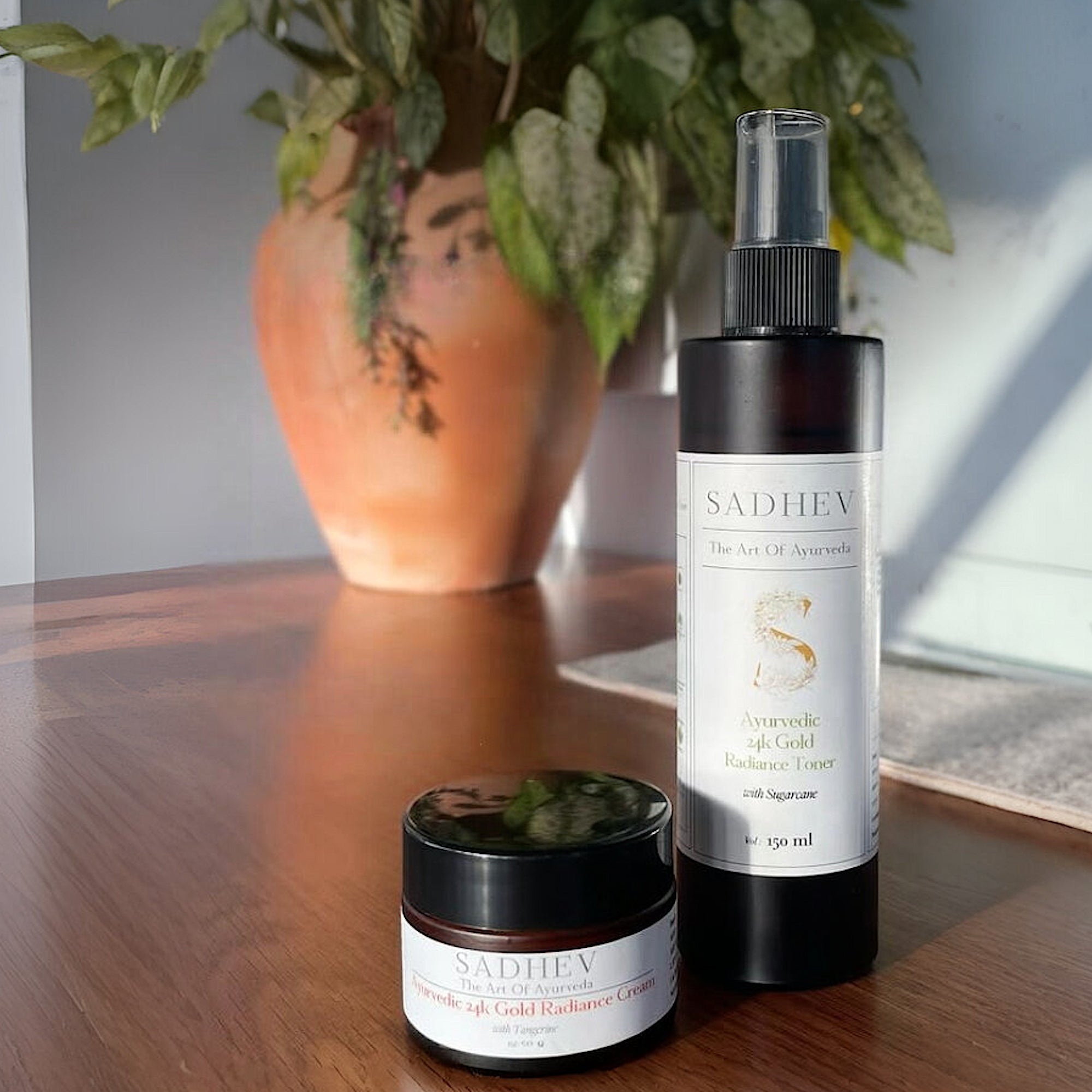
For people with both elevated hair fall and dandruff — a common combination where the scalp inflammation drives both conditions — the SADHEV Anti-Dandruff range with bhringraj addresses both concerns through the same scalp-balancing mechanism. The Anti-Dandruff Oil applied pre-wash, followed by Anti-Dandruff Shampoo and Conditioner, delivers concentrated anti-inflammatory and microbiome-balancing compounds to the scalp that progressively restore the conditions in which neither dandruff nor the hair fall it exacerbates can sustain.
Bhringraj and Amla — The Classical Combination
Classical Ayurvedic formulations for hair health rarely use bhringraj alone. The most frequently documented combination is bhringraj with amla — Indian gooseberry. Amla provides one of the highest natural concentrations of Vitamin C in any plant source, delivering potent antioxidant protection to the follicular melanocytes that bhringraj is already protecting through its own anti-inflammatory mechanism. Together, the two herbs provide complementary antioxidant and anti-inflammatory coverage that is more comprehensive than either herb produces alone.
Amla also directly supports iron absorption — its Vitamin C content enhances the bioavailability of the natural iron in bhringraj, strengthening the haemoglobin and oxygen delivery mechanism that scalp circulation depends on. This is not coincidental. The classical combination reflects a deep understanding of synergistic action that modern nutritional science has since confirmed.
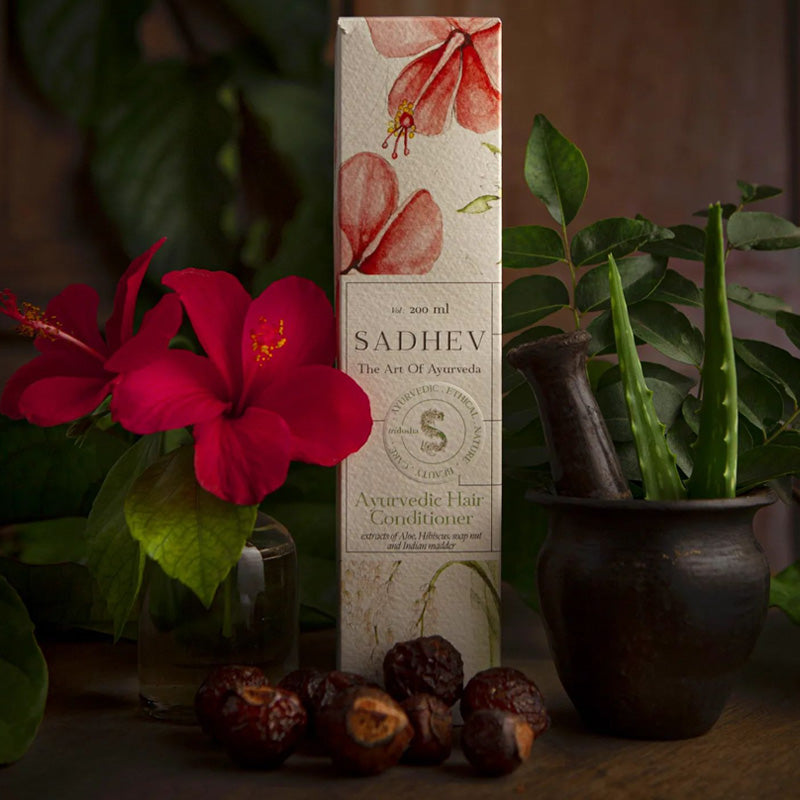
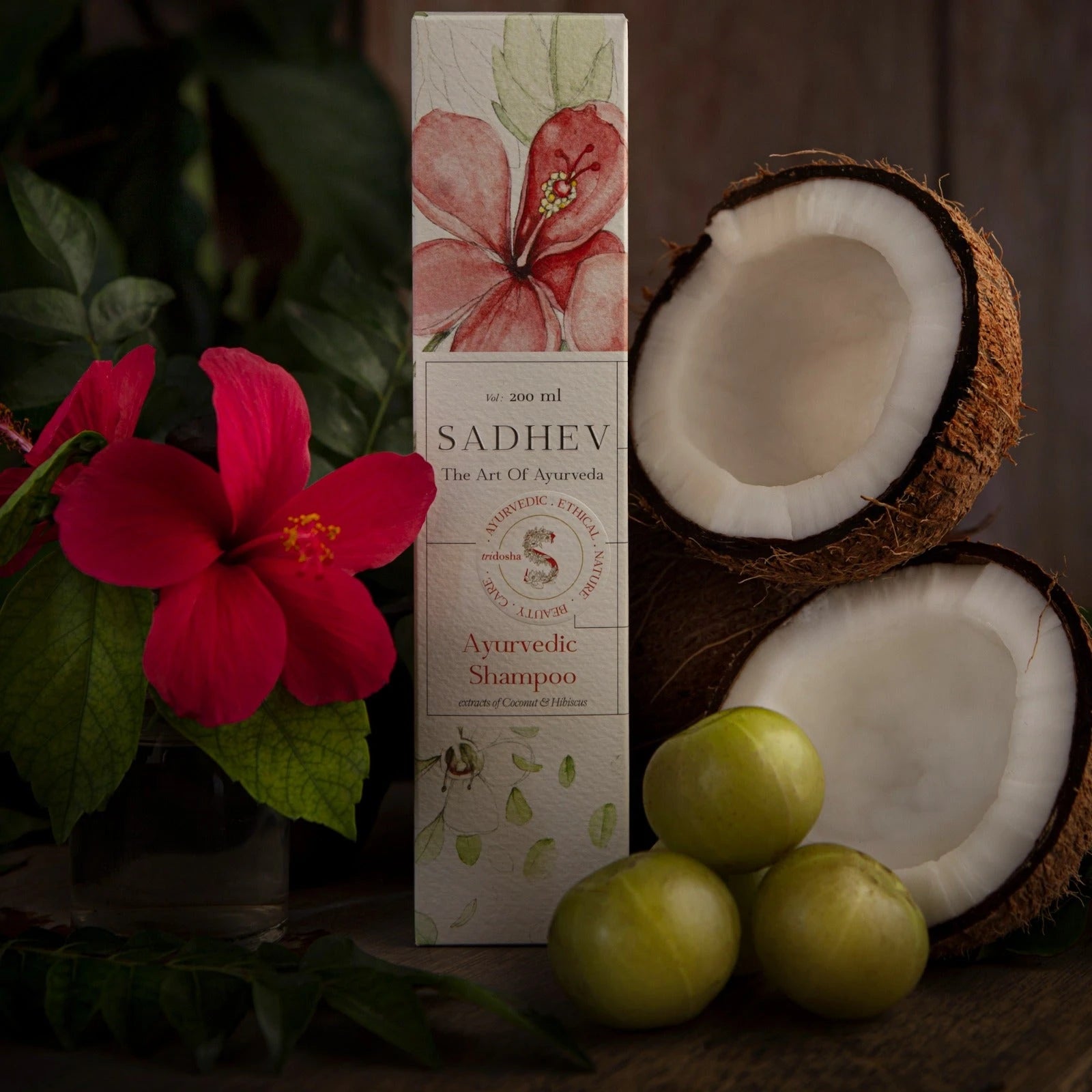
SADHEV's formulations incorporate both bhringraj and amla in the Anti-Hair Fall and Anti-Dandruff ranges — along with hibiscus, which provides additional polyphenol antioxidant protection and stimulates the cell proliferation that drives new hair growth.
The Realistic Timeline for Bhringraj Results
Bhringraj results are real and significant. They are also cumulative and require patience that most hair fall treatments do not ask of their users.
The hair growth cycle that bhringraj acts on operates over months, not days. The anagen phase extension that bhringraj promotes takes one to two full growth cycles to become observable as increased hair density. This means twelve to twenty-four weeks of consistent use before the full benefit of anagen extension is visible.
What is observable earlier:
▸ Weeks two to four: Reduced scalp sensitivity and itching as anti-inflammatory action takes effect.
▸ Weeks four to six: Reduction in daily shedding as the bhringraj oil and shampoo reduce the follicular inflammation sustaining the telogen push.
▸ Weeks eight to twelve: New growth visible at the hairline and parting as the anagen promotion begins to produce emerging hairs from follicles that were previously resting.
▸ Months four to six: Measurably increased hair density as the extended anagen phase produces hairs that are allowed to grow to their full potential before cycling.
The critical requirement is consistency. Bhringraj applied irregularly — used for two weeks, stopped, resumed, stopped — produces no meaningful result. The follicular changes that bhringraj drives require sustained stimulation over months. This is not a characteristic of the herb. It is a characteristic of hair biology. Any treatment that produces genuine follicular change requires the same consistency.
|
“Results from bhringraj are real. They require weeks to appear and months to fully develop. The consistency is the treatment.” |
Why Source and Formulation Quality Determine Results
Bhringraj's active compounds — wedelolactone in particular — are sensitive to processing. Heat extraction, prolonged storage and poor quality raw material all reduce the concentration of active compounds in the final formulation. A bhringraj oil that contains a minimal concentration of wedelolactone will not produce the follicular results documented for the herb regardless of how consistently it is applied.
At SADHEV the bhringraj in our Anti-Hair Fall and Anti-Dandruff ranges is sourced from Sadhevana — our 80-acre certified organic farm on the outskirts of Chennai where Panchakavya is the sole fertiliser and zero chemical inputs are used. Organically grown bhringraj produces higher concentrations of secondary metabolites — including wedelolactone — than conventionally grown plants, because the absence of synthetic inputs means the plant produces its own protective compounds in greater abundance.
This is the difference between a bhringraj formulation that works and one that simply names the herb on the label. The source, the cultivation method and the processing protocol determine whether the active compounds reach the follicle in a concentration capable of producing the benefits documented for the ingredient.
For the complete Ayurvedic hair care routine that incorporates bhringraj oil treatment correctly — including the pre-wash oiling technique, scalp massage method and the full weekly protocol for hair fall, dandruff and normal hair: see our Ayurvedic hair care routine guide.
For the complete guide to hair fall prevention in monsoon season — when the scalp environment is under additional stress from humidity and the bhringraj protocol is most important: see our monsoon hair care guide.
SADHEV. Luxury Ayurvedic Care. Ayurveda in our bloodline.
Explore SADHEV's bhringraj-formulated hair care range.
— Written by SADHEV Ayurvedic Experts, rooted in a 200-year vaidyar lineage.


